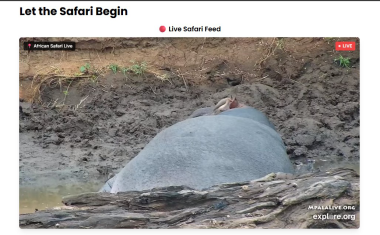
There’s a Large Hippo Resting in the Mud
Virtual Video Safaris for Blind and Visually Impaired People


Virtual Video Safaris for Blind and Visually Impaired People
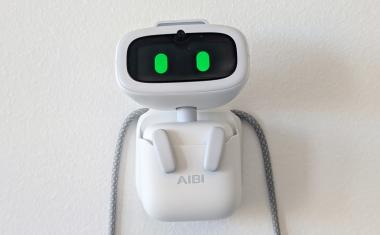
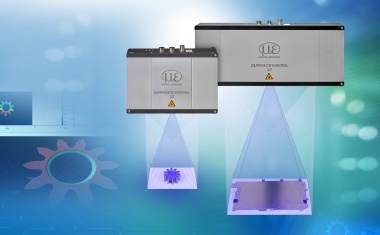
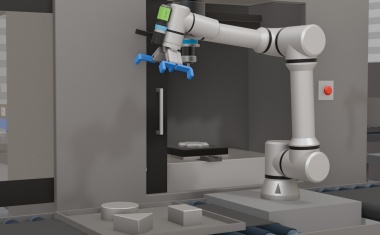
Machine Vision and AMRs as Part of AI-Driven Strategies in Manufacturing and Warehouse Operations
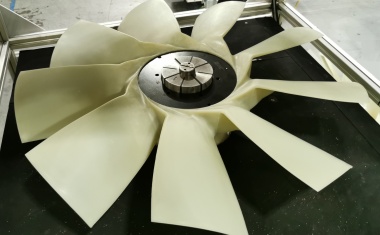
Reliable Quality Control during the Production of Fans for Diesel Engines
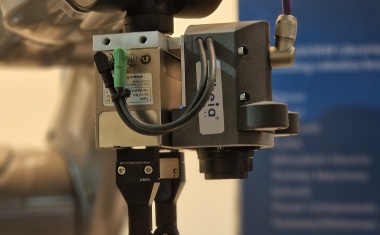
Intelligent Lens Systems for Remote and Mobile Applications
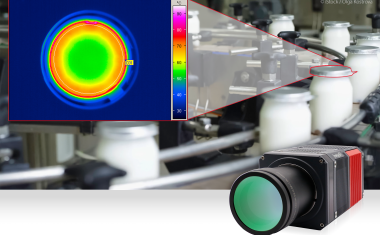
Entry into infrared imaging
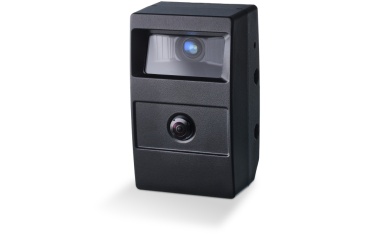
AI-Driven Collision Warning System for Mobile Machinery
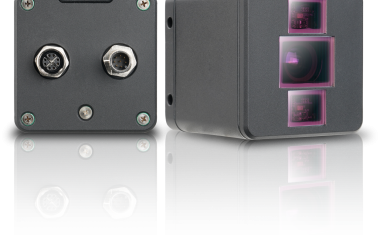
Shape Recognition, Object Positioning, and Distance Measurements in Logistics
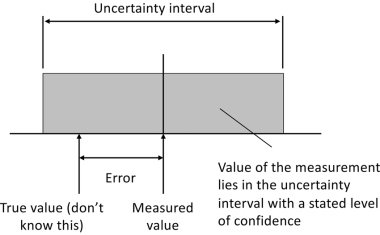
Why precise measurement results alone are not enough
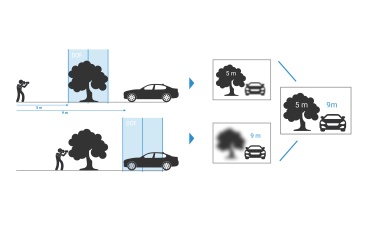
Basics of Measurement Technology
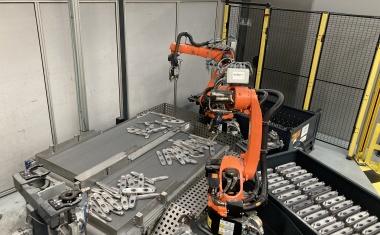
2D Images Combined with Deep Learning Enable Robust Detection Rates
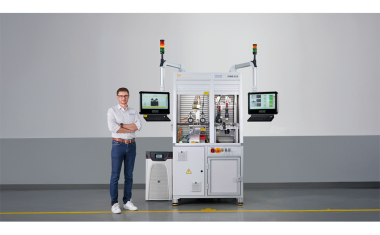
Automated quality control requires self-monitoring inspection systems

Interview with Dirk Broichhausen: Leading Adcole's Precision Measurement Instruments in Germany
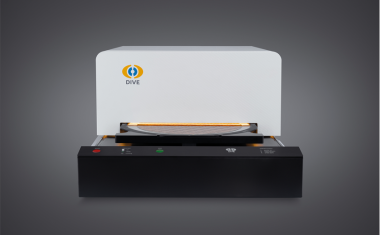
Optical Wafer Inspection
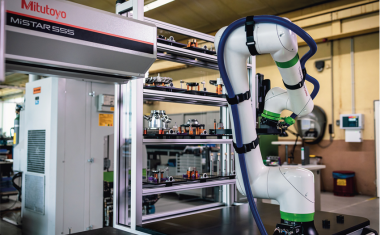
Automated Precision Measurement System
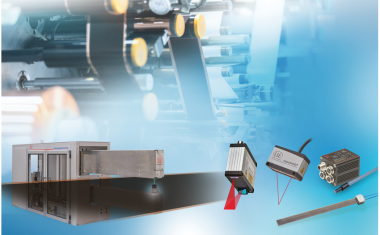
Sensors and Measuring Systems for Monitoring Production Processes in Battery Cell Manufacturing
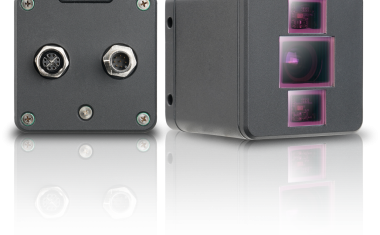
Shape Recognition, Object Positioning, and Distance Measurements in Logistics
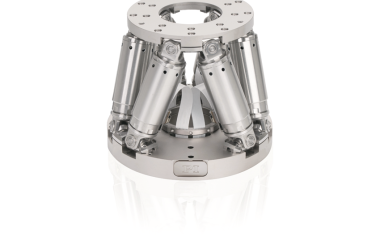
Fast and Precise Positioning System
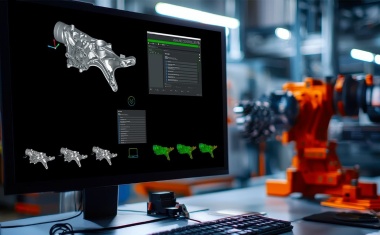
Computed Tomography and AI Combined
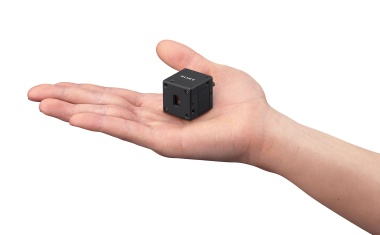
Lidar Depth Sensor Provides Precision Measurement Accuracy, Distance Resolution and Measuring Range
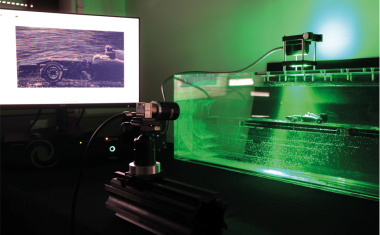
Event-based cameras optimise flow analysis in science and industry
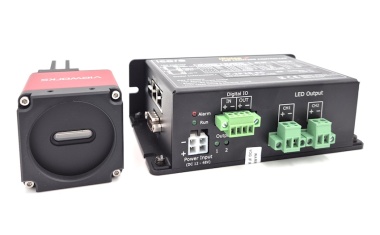
Fast lighting control in complex applications
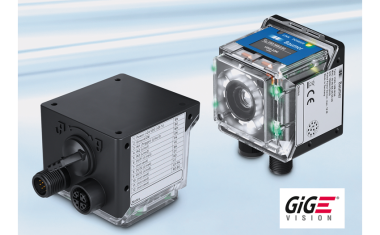
Compact Camera System Bridges Gap to Smart Cameras
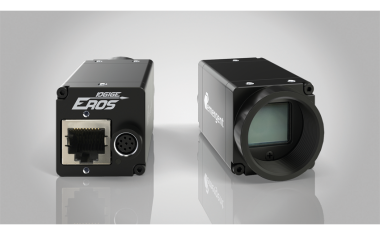
Multi-Camera Vision Systems with 10GigE

Further development of an EMVA standard at ISO level
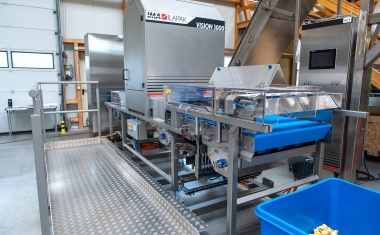
3D Laser Scanner Checks 100,000 Rolls Per Hour
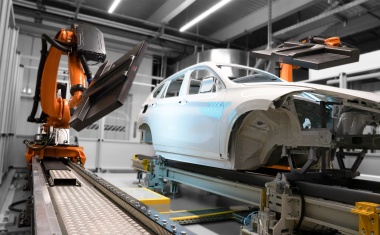
Visualization of Reflective Surfaces Using Deflectometry
Digital microscope with AI assistance

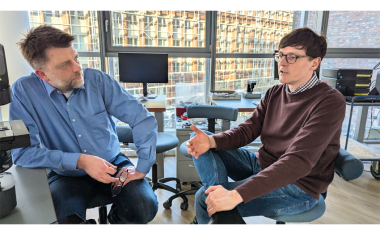
Interview with Norbert Matthes, Technical Sales Manager
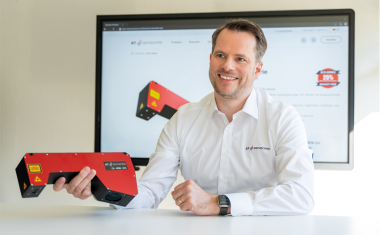
Laser triangulation sensor with a broad field of vision

Interview with Jeff Burnstein, president of the Association for Advancing Automation (A3)
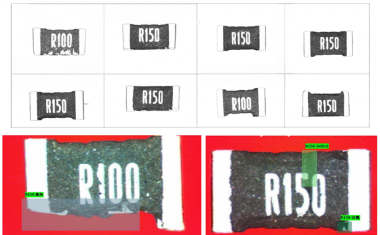
AI-Powered Optical Inspection Identifies Nanoscale PCB Defects
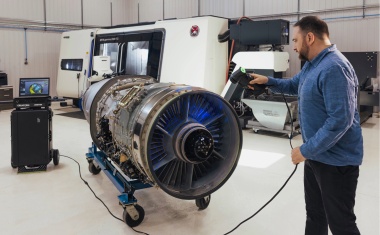
Software-enhanced 3D Scanning Metrology Solutions to Optimize Inspection Processes
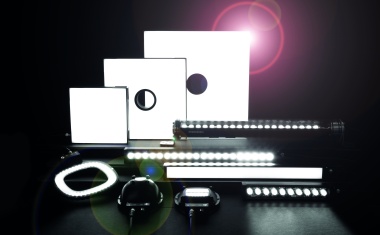
Expanded Portfolio for a Wide Range of Industrial Image Processing Applications