At the Heart of the Image Acquisition Process
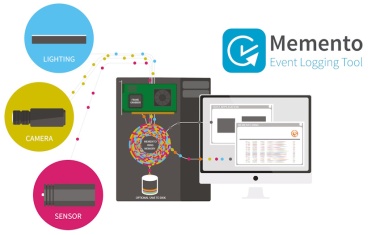
Event Logging System for Application Development and Debugging


Event Logging System for Application Development and Debugging
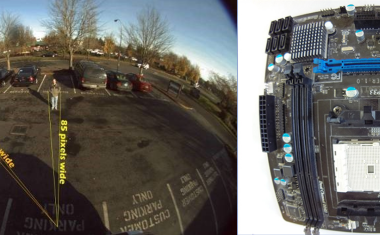
Rectilinear Lenses for Improved Obstacle Detection and Navigation Efficiency
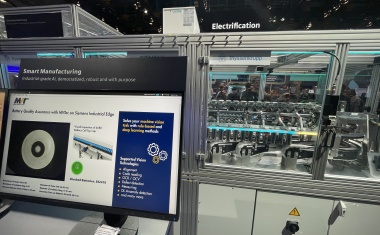
Interview with Ulf Schulmeyer, Product Manager Merlic at MVTec, and Dr. Stefan Meier, Ecosystem Manager for Industrial Edge at Siemens

Interview with Jeff Burnstein, president of the Association for Advancing Automation (A3)
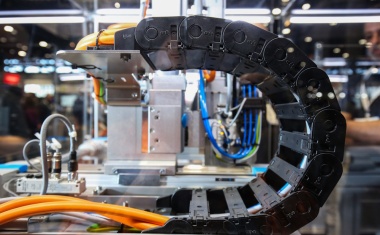
From May 12 to 15, Detroit will host the Automate Show 2025, marking another edition of this pivotal event in robotics and automation. As the largest automation trade show in the Americas, it shows the latest advancements and practical applications across numerous industries

Battery production is at the heart of industrial and climate policy worldwide. Indeed, the demand for energy storage systems for electromobility and stationary applications is growing globally as is the importance of efficient, sustainable and regionally independent battery production.
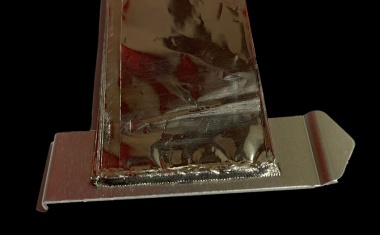
Coherent’s Thomas Hofmeister and Majid Abbasi discuss how lasers have played a key role in the transformation of manufacturing in the automotive industry in a new PhotonicsViews article.
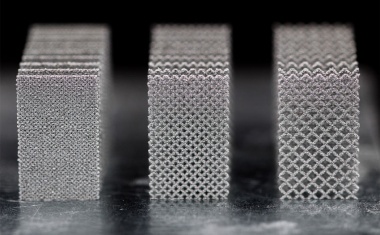
At Politecnico di Milano, the Laboratory for Laser Applications, SITEC, looks towards the development of new processes enabling new products and solutions for electric mobility exploiting the increased availability of laser-based manufacturing solutions in the industry.
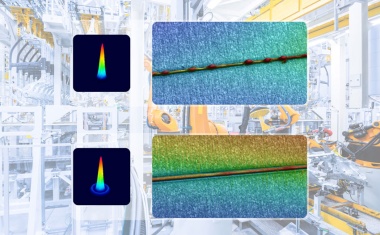
Two recent advances in laser welding, described in a PhotonicsViews special issue, have the ability to increase both productivity and part quality for e-mobility applications.

In a study by BLZ researchers, two laser sources – green and IR – were compared for laser welding at identical laser spot sizes. The results are presented in a the PhotonicsViews special issue.
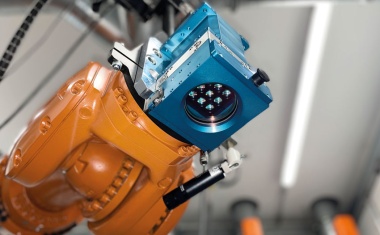
Projects Twin-Weld and MULTISPOT overcome the limitations of fixed bifocal optics and develop a welding head with a matrix of 3 × 3 laser diodes that can be individually controlled.
Battery production in focus: today’s challenges – laser technology as the solution.
A new high-tech system can dissolve paint on complex 3D components efficiently by laser and the paint can be removed like a film – residue-free and without harmful substances.
Optical coherence tomography in a laser processing head can accomplish precise real-time post-process control and position adjustment for the filler wire.
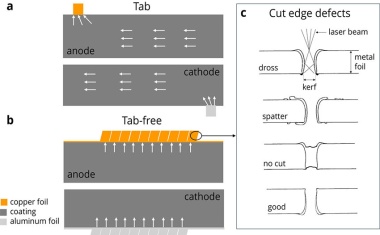
High-quality cut edges are essential to ensure reliable electric connections and prevent defects like spatter and dross, which can cause internal short circuits.

In conversation with Eric J. Halvorson, Senior Marketing Technology Manager – Automation and Control at DigiKey
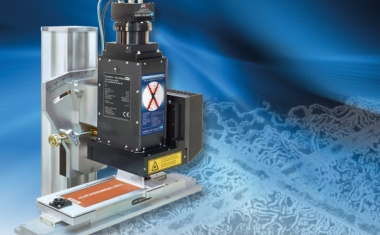
Evaluate corrosion test panels rapidly and objectively
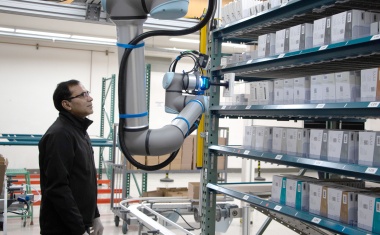
Selecting Vision Systems for Cobot-Based Quality Applications
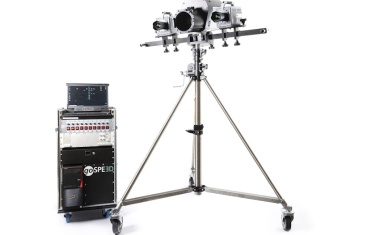
Ultra-fast and -robust 3D sensing
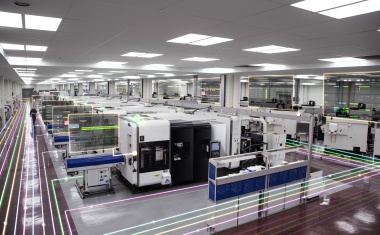
Increasing Efficiency in Production
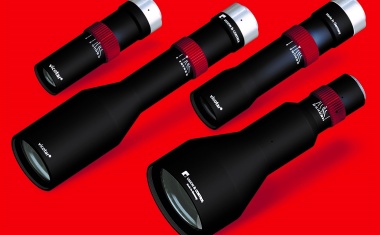
Potential of artificial intelligence in machine vision
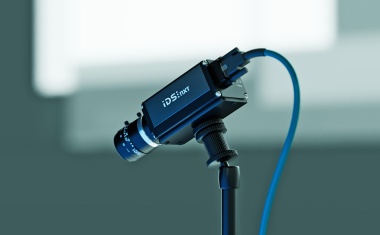
Optical character recognition with AI support
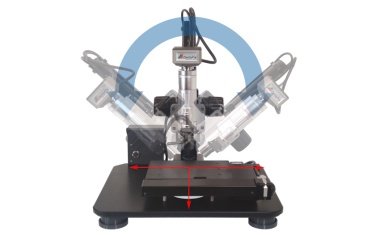
Diverse 2D/3D machine vision in macro- and microscopy
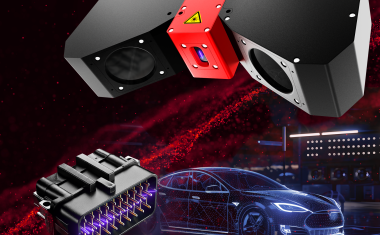
Application of laser scanners in the automotive Industry

Interview with Raghava Kashyapa, Co-Founder of Indian Machine Vision Association (IMVA)
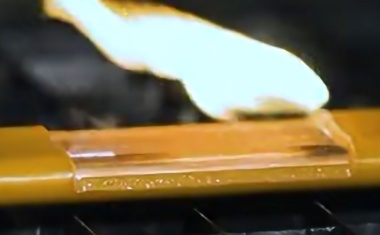
A new early view article in PhotonicsViews discusses challenges for busbars in mass production, and high-speed CO₂ laser busbar de-coating methods.
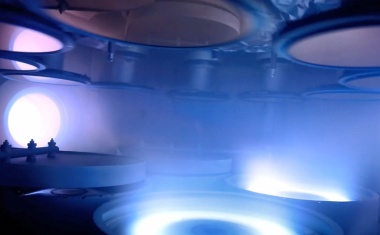
A new article in PhotonicsViews discusses the production of high-quality oxides-based optical filters with low losses.
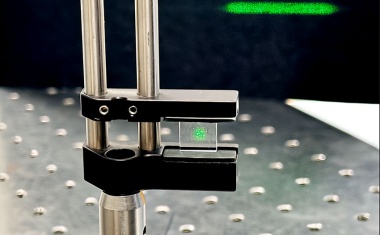
A method for improving the narrow-axis integrated intensity uniformity in laser line beam shaping for partially coherent laser sources is presented in the PhotonicsViews e-Special 1/2025.
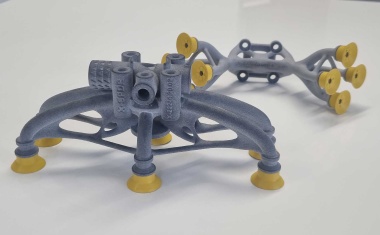
3D printing platform enables the on-demand production of high-quality replacement and serial parts at any desired location, in the right quality and quantity
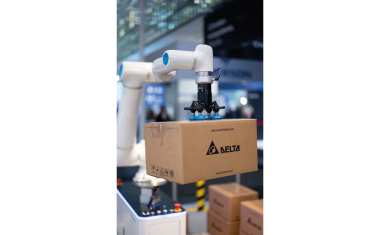
What do cobot-to-cobot interactions mean, how do they work and what are the advantages?

Which trends will define the year 2025? We have listed them for you.
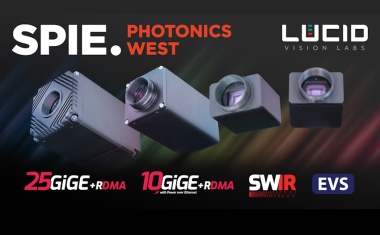
Lucid will showcase its latest camera innovations and advanced sensing technologies at SPIE Photonics West, the leading optics and photonics event, taking place from January 28–30, 2025, in San Francisco, California.
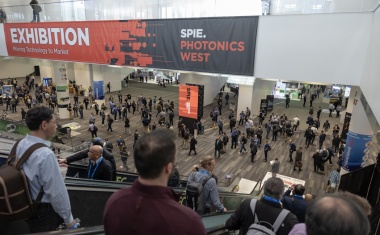
Networking, new products, and Nobel laureates complement the broad technical program and four exhibitions at the exciting week in optics and photonics.
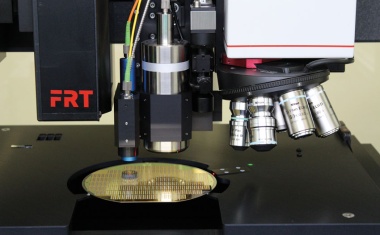
A new early view article in PhotonicsViews presents a rigorous far-field model that allows to calculate the reflectance of the via.
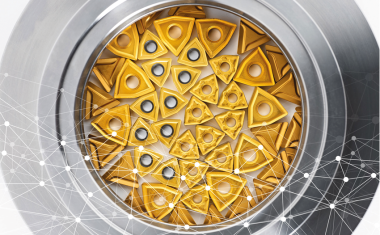
Handling and Defect Inspection of Indexable Inserts