

One software and two lasers for three layers
The ATSM project developed an optics module and control software for laser-based production of tribological multilayer systems. PhotonicsViews has the interview with project manager David Pallasch.
Tribological coatings effectively protect heavily stressed components against wear and reduce friction. Oven processes are usually used to produce these coatings. In these processes, the substrate is subjected to an increased thermal load, whereby it must be accepted that mixing of the individual layers occurs.
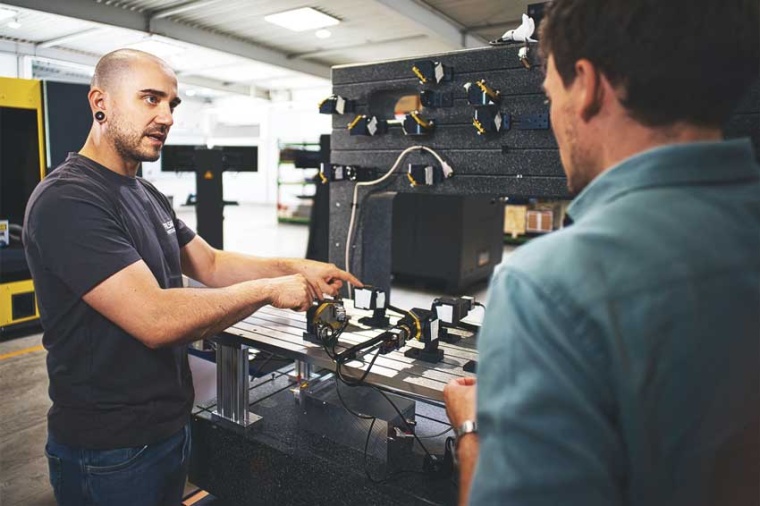
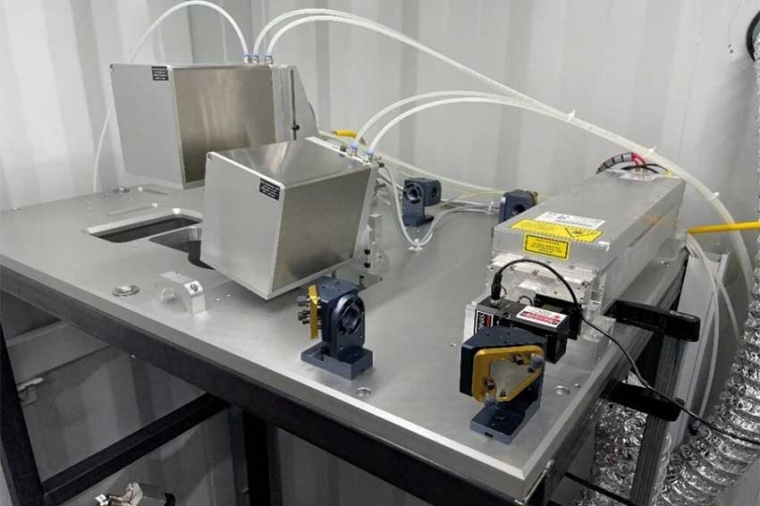
As part of the German government-funded joint ‘Additive laser process for the production of tribological multifunctional layers for energy-efficient systems’ project, or ATSM for short, the Fraunhofer Institute for Laser Technology (ILT) and Eloxalwerk Ludwigsburg Helmut Zerrer GmbH (ELB), together with Pulsar Photonics, developed a new and innovative process for the laser-based production of tribological multilayer systems on lightweight components.
David Pallasch was the lead ATSM project manager at Pulsar Photonics and provided some insights. Read the article online open in the recent issue of PhotonicsViews.
Read the full story: One software and two lasers for three layers, PhotonicsViews 19(5), October/November 2022, pp. 22/23
You want the printed issue in your mailbox? Please find the form for paid or qualified subscriptions for below:
Company
Pulsar Photonics GmbHKaiserstraße 100
52134 Herzogenrath
Germany



most read

From Gamescom to the Factory
How the Gaming Industry Is Driving Automation

Powerful in operation, intelligent in collaboration
How Faulhaber Drive Systems Are Bringing Humanoid Robotics Closer to Everyday Use

It Does Not Always Have to Be a Humanoid Robot
Mythomorphic design adds a distinct perspective to social robotics. Inspired by myths and fantasy rather than humans or animals, the article classifies examples and examines related opportunities and risks.
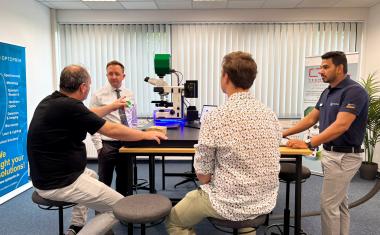
Microspectrophotometer in Practice
During a three-day Open House in Unterschleißheim near Munich, Optoprim Germany and Craic Technologies demonstrated integrated UV–visible–NIR and Raman microspectroscopy under real research conditions.

Packaging Is Becoming a Strategic Task in Production
The new EU Packaging Regulation affects more than just packaging manufacturers. Production, logistics, and automation experts must also reassess their processes, materials, and equipment.