

Inspection systems from Göpel included in the IPC-CFX-2591 Qualified Products List
Göpel's inspection systems have been added to the IPC-CFX-2591 Qualified Products List. This step is part of the commitment to Smart Factory solutions.

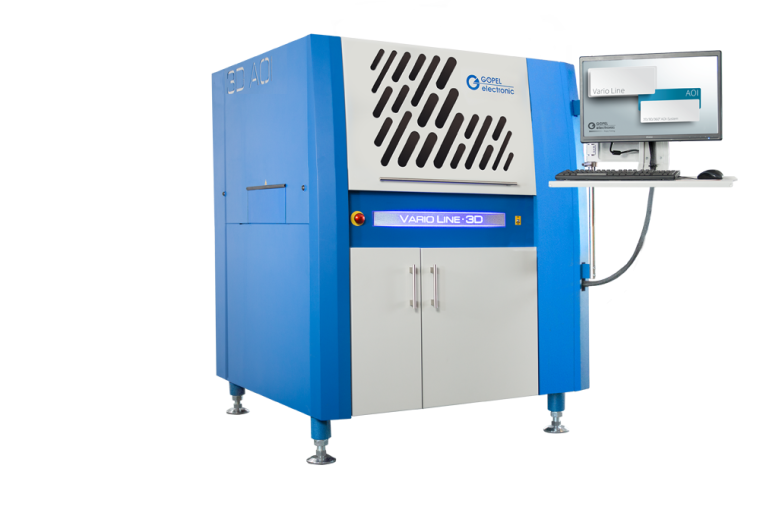
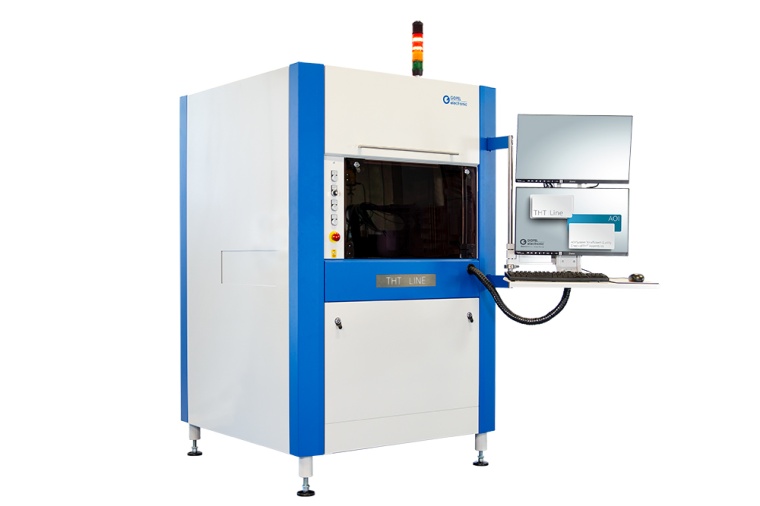
With IPC-CFX, the inspection solutions from Göpel now have a uniform interface for the acquisition of operating data. Thus, the AOI, AXI and SPI systems can be integrated into Manufacturing Execution Systems (MES) via IPC-CFX.
Specifically, the inspection systems for checking solder paste, solder joints and component placement are connected to each other and communicate with other machines throughout the electronics production line.
Technology in detail: IPC-CFX
IPC-CFX is an industry-developed plug-and-play solution that standardizes machine-to-machine communications while facilitating machine-to-business and business-to-machine applications, forming the foundation for the factory of the future. IPC-CFX is supported by IPC-2591, Connected Factory Exchange (CFX), which specifies IPC-CFX message requirements by device type.
Successful use of IPC-CFX in manufacturing requires confidence that devices have been qualified for IPC-CFX by an independent third party. The IPC-CFX-2591 QPL provides electronics manufacturers and OEMs with confidence that the devices they purchase will meet their IPC-CFX implementation plans.
Company
Göpel electronic GmbHGöschwitzer Str. 58/60
07745 Jena
Germany


most read

Solid-State Transformers for AI Data Centers
As part of a strategic partnership, Siemens and Reinhausen are developing a solid-state transformer for AI data centers with an 800-volt DC system.
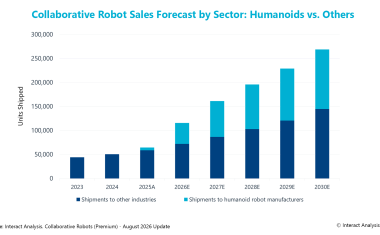
Humanoid robotics is driving demand for cobot arms and actuators
According to recent analyses, global production of humanoid robots exceeded the 20,000-unit mark in 2025 and is expected to more than triple in 2026.

Schaeffler bundles Defense and New Space activities under new CEO
Celia Pelaz takes over the position of CEO Defence & New Space at Schaeffler on October 1, 2026 and becomes Chairwoman of the Management Board of Stech Defence GmbH.

European machine vision expects slight recovery and growth in 2026
According to the VDMA Machine Vision department, sales are expected to increase by around 3%, following a decline of 2% in 2025.
Vision 2026 Breaks Exhibitor Record
About 500 exhibiting companies—about two-thirds of which are from abroad and about 30 percent of which are first-time exhibitors—are showcasing their products at the trade show.