DigiKey Launches the Second Season of “A Sustainable Future”
The focus is on how modern electronics enable clean energy, smart infrastructure, and sustainable design across various industries
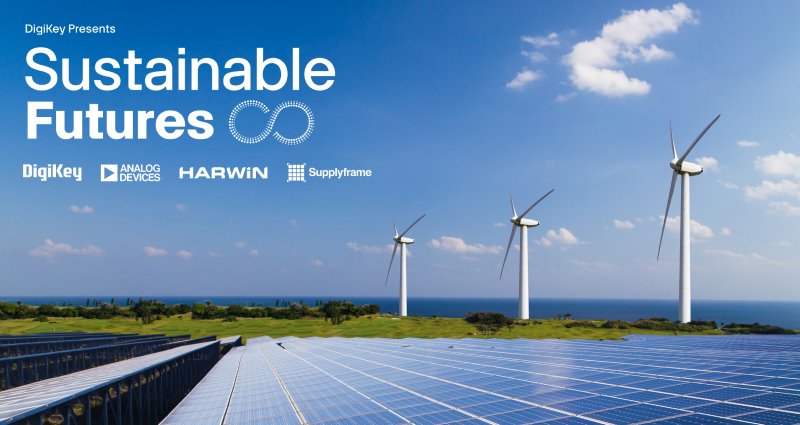
The series is sponsored by Harwin and Analog Devices and is aimed primarily at developers and engineers.
Contents of the new season:
Episode 1: “Intelligence for Greater Efficiency”
Renewable energy generation, smart grid infrastructure, and edge intelligence are combined to create more efficient and resilient energy systems. Analog Devices provides technologies for measurement, control, and real-time optimization.
Episode 2: “The Backbone of Electrification”
This episode focuses on charging infrastructure for electric vehicles and material innovations. Harwin demonstrates how highly reliable connectors and environmentally friendly materials enable safe, durable, and scalable solutions for mobility and energy systems.
Episode 3: “Shaping the Future”
A look into the future of sustainable electronics: the interplay of AI, new materials, and sustainable manufacturing. The focus is on scaling sustainable innovations over the next decade—from hardware and intelligence to industry collaboration.
In their statements, DigiKey, Harwin, and Analog Devices emphasize that modern electronics play a key role in modernizing power grids, increasing efficiency, and achieving sustainability goals.