New lasers for climate research
How do you measure the temperature of individual atoms at an altitude of ninety kilometers?


How do you measure the temperature of individual atoms at an altitude of ninety kilometers?

The jury of the inspect award 2023 has nominated ten products each in the categories "Vision" and "Automation + Control". Now it's the readers' turn to vote.
Sustainably reduce energy costs with intelligent power distribution systems

The Current Status of Embedded Vision

Gretchen Alper has taken charge as Automation Technology’s Business Director for North America. She told inspect why Boston is the perfect place to start and what will be the major factors for success.
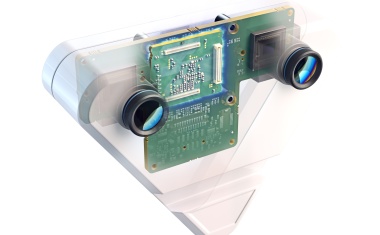
The embedded vision market continues to grow strongly. One aspect of this success is based on technical advancements that expand the spectrum of possible applications.
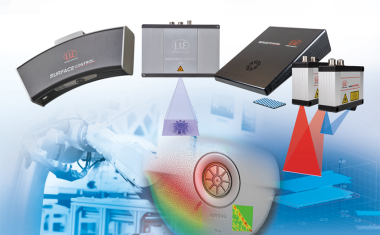
Powerful 3D Package for All 3D Sensors and Numerous Industrial Applications.

Multiple Pre-Calibrated Sensors Extend the Range of Application
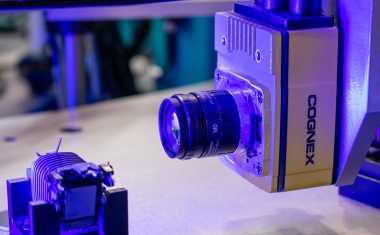
Intelligent Vision Systems Automate the Inspection Process, thus Saving Time

Interview with Robert Franz, CEO of Allied Vision and the 2D Vision Group at TKH
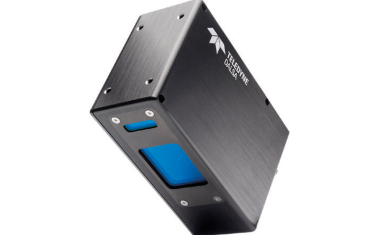
Industrial 2D and 3D Imaging Solutions Prove their Reliability in Testing, Error Detection, and Inspection.
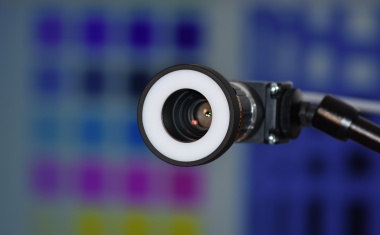
Pharmaceutical packaging products need to be thoroughly inspected during production. An automated print image inspection system ensures conformity with current requirements.
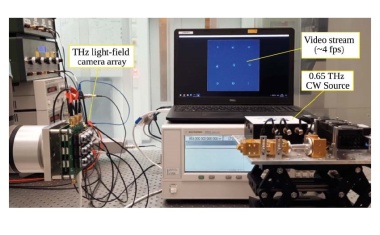
Development of a Modular THz LF Camera
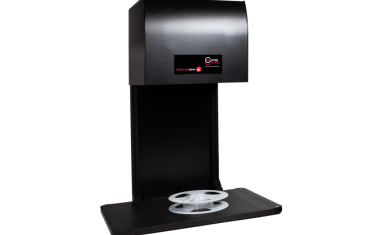
A Camera-Based Solution Simplifies the Registration of Incoming Goods in the Electronics Industry.

Interview with Simon Smith, European Director of Aerotech
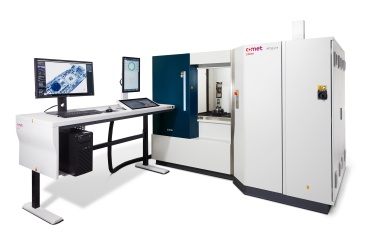
Software packages open up new horizons by optimizing X-ray methods for increased detail recognition and considerably higher throughput.
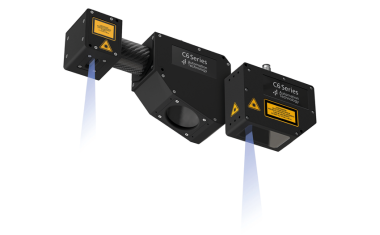
Get measurement technology up and running within ten minutes
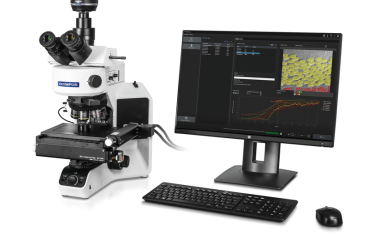
Automated Material Analysis Using Neural Networks
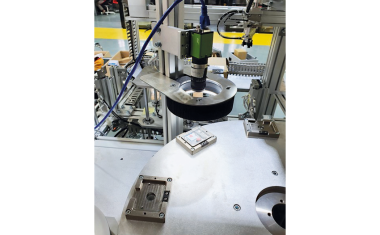
Quality Assurance in Electronics
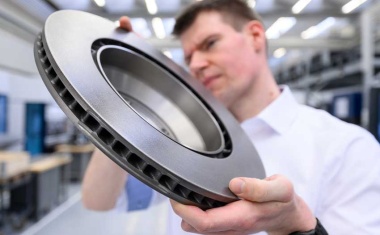
Laser companies present solutions to counteract the health hazards posed by particulate matter as required by the new EU vehicle emission standard, Euro 7.
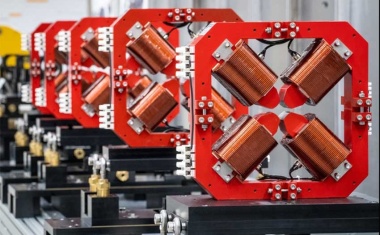
National Science Foundation awards 90.8 million dollars to Arizona State University to advance x-ray science.
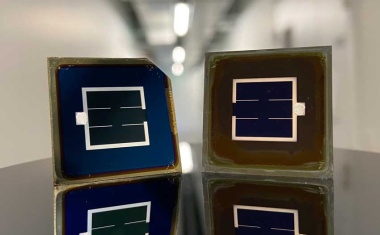
New project to advance perovskite-based optoelectronics, such as solar cells, photodetectors, and LEDs.
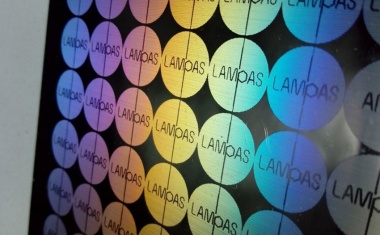
Project LAMpAS presents the first laser system that can achieve controlled topographic characteristics.

Is a moon station from the 3D printer possible?
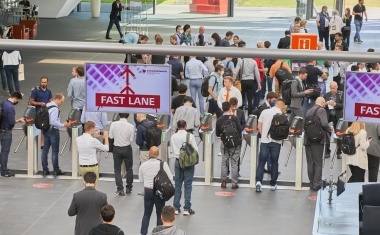
Preliminary report on the trade fair for embedded systems in Nuremberg
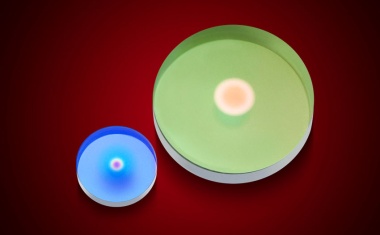
Laser Components has further optimized its processes for manufacturing and inspecting graded reflectivity mirrors (GRMs) – so-called Gaussian mirrors.

The new product line expands Coherent’s existing DOE technology consisting of industry leading volume and surface Bragg gratings with applications in communications and medicine.
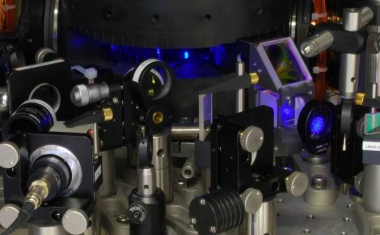
A consortium led by the University of Amsterdam received a €7.5M Horizon grant to make quantum clocks more robust and compact.
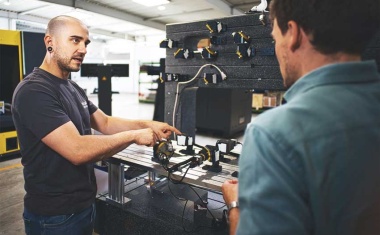
The ATSM project developed an optics module and control software for laser-based production of tribological multilayer systems. PhotonicsViews has the interview with project manager David Pallasch.
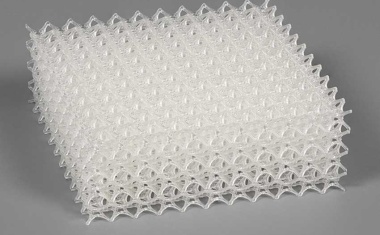
Nanoscribe’s 3D microfabrication range expands to the macroscale while maintaining particularly complex structures and filigree details

The winners of the inspect award 2022 have been announced. Three products in each of the two categories received awards at the Vision trade show.

Daniel Seiler has been CEO of camera manufacturer Automation Technology since March 1, 2022. In the interview with inspect, he talks about the corporate culture and his expansion plans to the USA. Seiler also reveals which innovations AT will be showing at Vision.

Corning improves capabilities for augmented reality waveguide eyepiece laser singulation, enhancing edge strength by over 50 %.
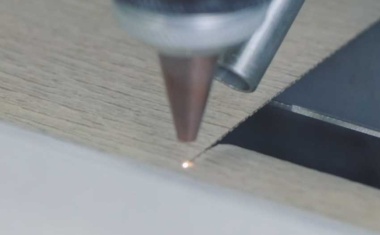
BR Technologies is enabling a transformer manufacturer to cut its insulation paper in a unique way by using lasers integrated in its machines. The SR 15i CO2 laser sources from Luxinar are cutting crepe paper which is used as an insulation layer inside the electrical transformers that are sold to power grid suppliers.