

Partnering on next-generation LiDAR solutions for ADAS
Hesai and Lumentum launched a partnership to combine their lidar and VCSEL expertise on the development of hybrid solid-state directional lidar solutions for advanced driver-assistance systems (ADAS).
Lidar sensors are an essential part of autonomous vehicles (AVs). However, conventional approaches have been challenged by high costs and poor manufacturability. Incorporating VCSEL array light sources can significantly improve lidar cost competitiveness and scalability.
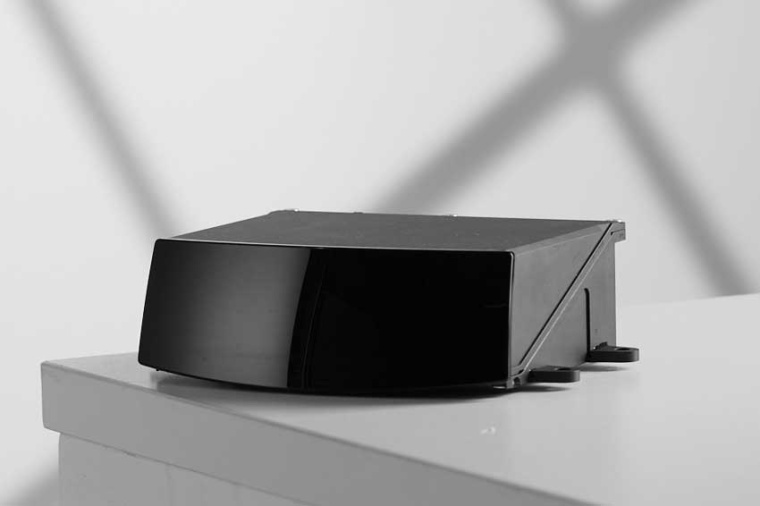
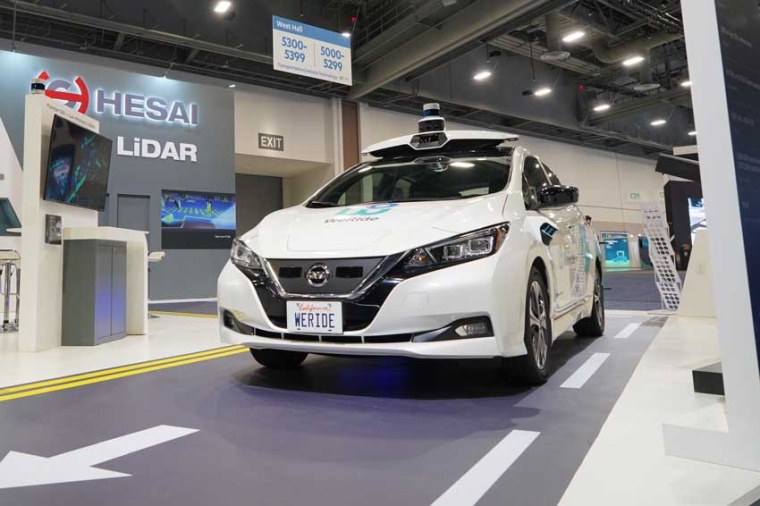
“Lumentum has been the global leader in VCSELs for consumer electronics. As the automotive industry transitions from the testing phase for AVs to mass volume production phase for ADAS applications, cost and manufacturability are the biggest challenges the industry faces,” said Dr David Li, co-founder and CEO of Hesai. “We are pleased to be collaborating with Lumentum on our hybrid solid-state lidar AT128 for ADAS applications, which contains an all-VCSEL-based design to achieve high-affordability, and automotive grade reliability and consistency requirements.”
“We are excited to leverage our leading-edge multi-junction VCSEL array capabilities and manufacturing scale in working with Hesai to help enable innovative, cost-effective, and high-volume lidar solutions,” said Lumentum president and CEO, Alan Lowe.
Over the past few years, more than a billion Lumentum VCSEL arrays have been deployed in mobile, consumer electronics, industrial, and other applications creating significant manufacturing economies of scale. At the same time, Lumentum’s advancements in VCSEL array technology have resulted in record-breaking peak optical power densities and efficiencies, making their VCSEL arrays suitable for high-performance ADAS and AV applications.
Company
Hesai TechnologyBuilding L2-B
Shanghai
China
most read
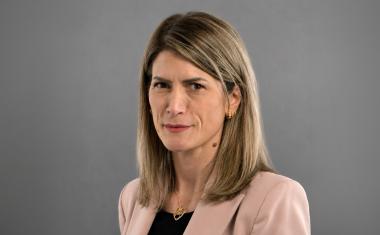
Schaeffler bundles Defense and New Space activities under new CEO
Celia Pelaz takes over the position of CEO Defence & New Space at Schaeffler on October 1, 2026 and becomes Chairwoman of the Management Board of Stech Defence GmbH.
Solid-State Transformers for AI Data Centers
As part of a strategic partnership, Siemens and Reinhausen are developing a solid-state transformer for AI data centers with an 800-volt DC system.

ZVEI Calls for Swift Protection of Critical Power Infrastructure
The association has issued a statement in response to the recent attempted attacks on substations in Brandenburg and North Rhine-Westphalia and warns of the consequences for Germany's energy security.
Siemens Consolidates Its Automation Business into a New Unit Called Automation
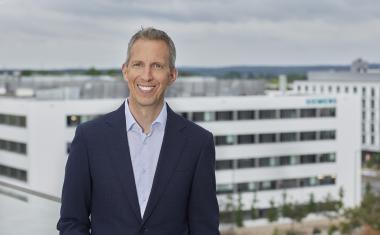
Rainer Brehm, who previously served as COO of the automation business and CTO of Digital Industries, was appointed president of the new unit.
Vision 2026 Breaks Exhibitor Record
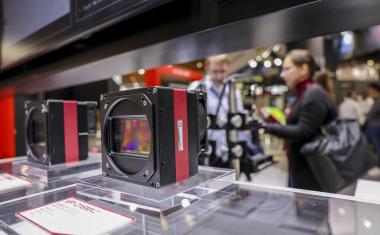
About 500 exhibiting companies—about two-thirds of which are from abroad and about 30 percent of which are first-time exhibitors—are showcasing their products at the trade show.