

Mks Opens European Laser Applications Lab for Pulsed Lasers
Lasers of various power classes are available in separate laboratory rooms, supplemented by Ophir measurement equipment as well as optical benches, optomechanical components, and motion systems from Newport.
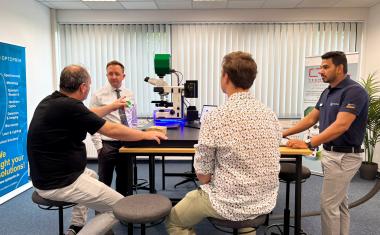
Mks has opened the European Laser Applications Lab in Darmstadt to accelerate the development of laser applications in Europe. System integrators and machine builders can have original material samples tested there using Spectra-Physics short- and ultrashort-pulse lasers in the UV and IR spectra. Lasers of various power classes are available in separate laboratory rooms, complemented by Ophir measurement technology as well as optical tables, optomechanical components, and motion systems from Newport.
At the new MKS European Laser Applications Lab in Darmstadt, the interaction between the laser beam source and materials is being thoroughly tested
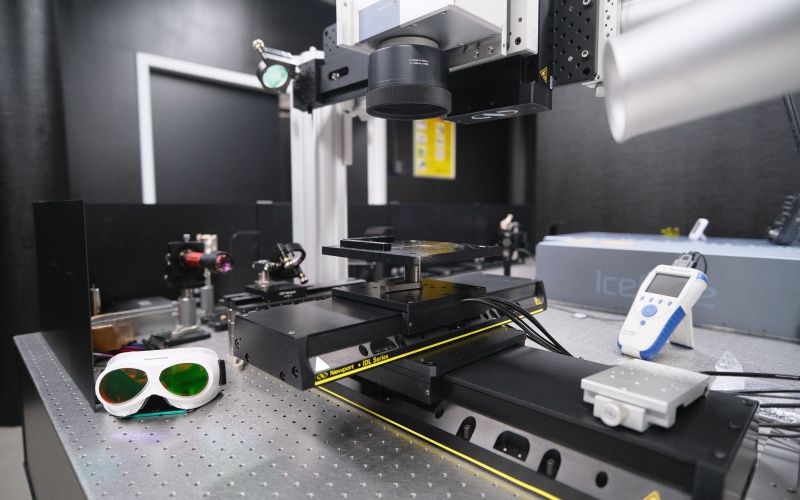
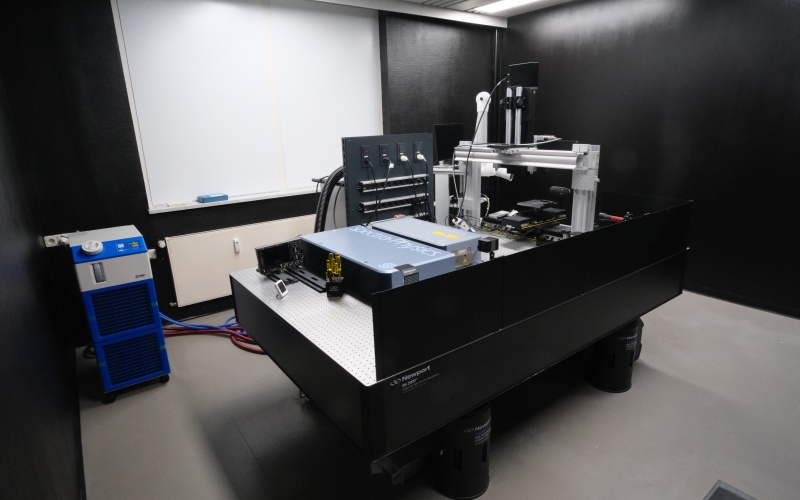
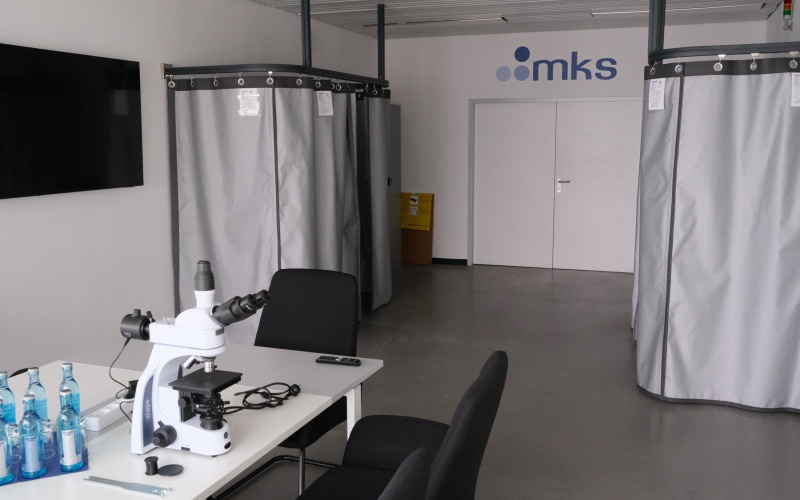
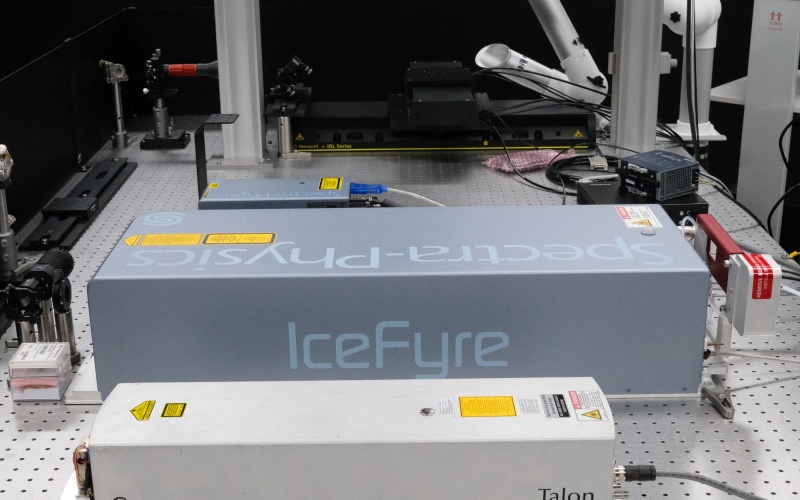
The lab enables on-site proof-of-concept testing in Europe, which shortens development times and reduces the logistical effort compared to previous material testing in the U.S. Among other instruments, Icefyre lasers in the IR range, as well as Talon, Explorer, and Icefyre lasers in the UV spectrum, are available for testing. A 3D laser-scanning microscope featuring confocal laser microscopy, focus variation, and white-light interferometry, as well as a digital microscope, support material analysis and process optimization.




most read

Schaeffler bundles Defense and New Space activities under new CEO
Celia Pelaz takes over the position of CEO Defence & New Space at Schaeffler on October 1, 2026 and becomes Chairwoman of the Management Board of Stech Defence GmbH.

ZVEI Calls for Swift Protection of Critical Power Infrastructure
The association has issued a statement in response to the recent attempted attacks on substations in Brandenburg and North Rhine-Westphalia and warns of the consequences for Germany's energy security.
Forecast: Significant Growth in Industrial Robotics by 2030; Cobots Are Growing the Fastest
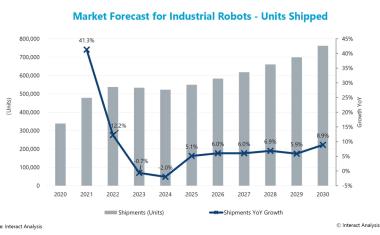
According to a recent analysis by Interact Analysis, global sales of industrial robots are expected to rise from about 550,000 units in 2025 to just over 760,000 units in 2030.
Vision 2026 Breaks Exhibitor Record
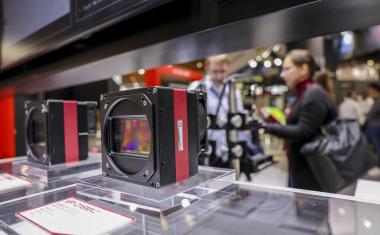
About 500 exhibiting companies—about two-thirds of which are from abroad and about 30 percent of which are first-time exhibitors—are showcasing their products at the trade show.
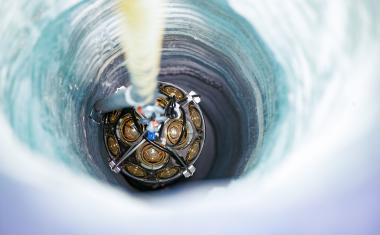
Icecube Neutrino Observatory: Hamamatsu Photonics Boosts Sensitivity with New Photodetectors
The detector array is installed in one cubic kilometer of clear Antarctic ice and detects Cherenkov light produced by neutrino interactions.