

Framos is building a campus in Čakovec, Croatia
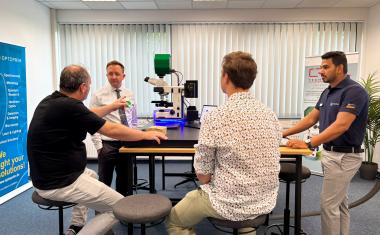
Framos has started construction of its high-tech campus in Čakovec, Croatia. It should be completed by the end of 2024


The campus construction is intended to make it possible for Framos to provide its employees with the best working conditions. At the same time, the production capacities and the range of logistics services are being comprehensively expanded.
As the application areas for imaging technologies continue to expand, spanning from medicine to agriculture to autonomous vehicles, smart city technologies and home appliances, Framos believes the time is right to make this substantial investment.
The new building has an area of approximately 3,500 square meters and can be flexibly expanded to meet future needs. Framos will invest more than six million euros in this over the next three years. In the first phase, the new campus will provide space for 150 employees.
Company
Framos GmbHTölzer Straße 1
81379 München
Germany




most read

Siemens Consolidates Its Automation Business into a New Unit Called Automation
Rainer Brehm, who previously served as COO of the automation business and CTO of Digital Industries, was appointed president of the new unit.

IMTS 2026: America's Manufacturing Sector Focuses on Growth and Technology
The largest manufacturing trade show in the Western Hemisphere is bringing together 1,788 exhibitors this year, including about 400 companies participating for the first time.
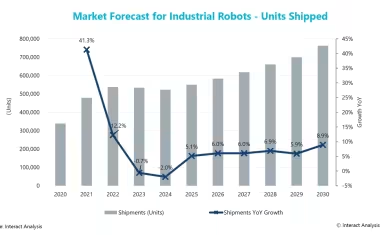
Forecast: Significant Growth in Industrial Robotics by 2030; Cobots Are Growing the Fastest
According to a recent analysis by Interact Analysis, global sales of industrial robots are expected to rise from about 550,000 units in 2025 to just over 760,000 units in 2030.

Schaeffler bundles Defense and New Space activities under new CEO
Celia Pelaz takes over the position of CEO Defence & New Space at Schaeffler on October 1, 2026 and becomes Chairwoman of the Management Board of Stech Defence GmbH.
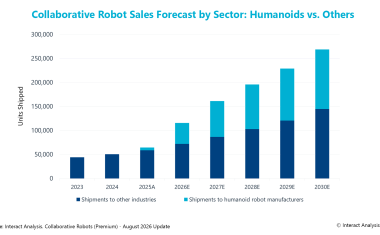
Humanoid robotics is driving demand for cobot arms and actuators
According to recent analyses, global production of humanoid robots exceeded the 20,000-unit mark in 2025 and is expected to more than triple in 2026.