Protective Windows: Finding a Germanium Alternative for LWIR Imaging
In this interview, Mike Giznik, President of Midopt, explains why Silwir is a good choice for applications such as industrial inspection, defense, and autonomous systems.
David Löh, Editor-in-Chief of inspect

Germanium is becoming scarce and expensive – Silwir offers a powerful alternative: based on silicon and combined with DLC and BBAR coatings, the protective windows achieve high transmission, robustness, and temperature resistance. In this interview, Mike Giznik, President of Midopt, explains why Silwir is a good choice for applications such as industrial inspection, defense, and autonomous systems.
inspect: What distinguishes Silwir Protective Windows from conventional germanium windows in LWIR imaging?
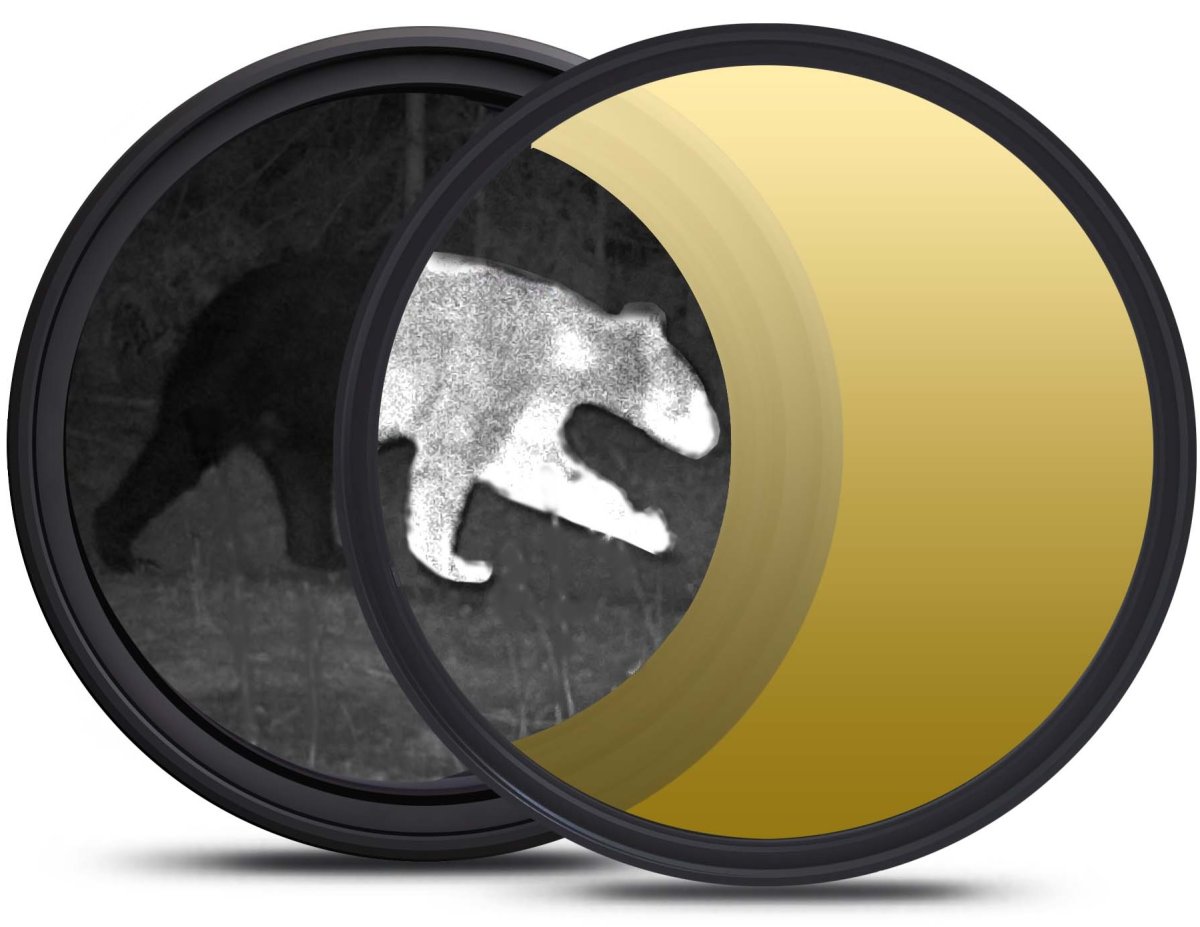
Mike Giznik: Silwir Protective Windows are engineered to provide a strong, cost-effective alternative to germanium in long-wave infrared (LWIR) imaging. Germanium is typically expensive and increasingly difficult to source; however, silicon is readily accessible, affordable and offers superior thermal conductivity and mechanical strength. When pure-grade silicon is combined with specialized coatings, it delivers excellent LWIR transmission (up to 80 percent) and robust protection for internal optics – making it suitable for protective window applications where both performance and durability matter.
inspect: What advantages do Diamond-Like Carbon (DLC) and BBAR anti-reflective (AR) coatings offer in terms of durability and transmission?
Giznik: The DLC coating significantly enhances surface hardness and scratch resistance, protecting against abrasion, environmental exposure and cleaning chemicals. The AR coating complements this by reducing surface reflections and improving transmission efficiency to over 80 percent in the 8-12 µm wavelength range. Together, they provide a durable, high-transmission optical surface capable of withstanding harsh industrial and outdoor environments.
inspect: How do Silwir filters perform in terms of temperature resistance and mechanical strength?
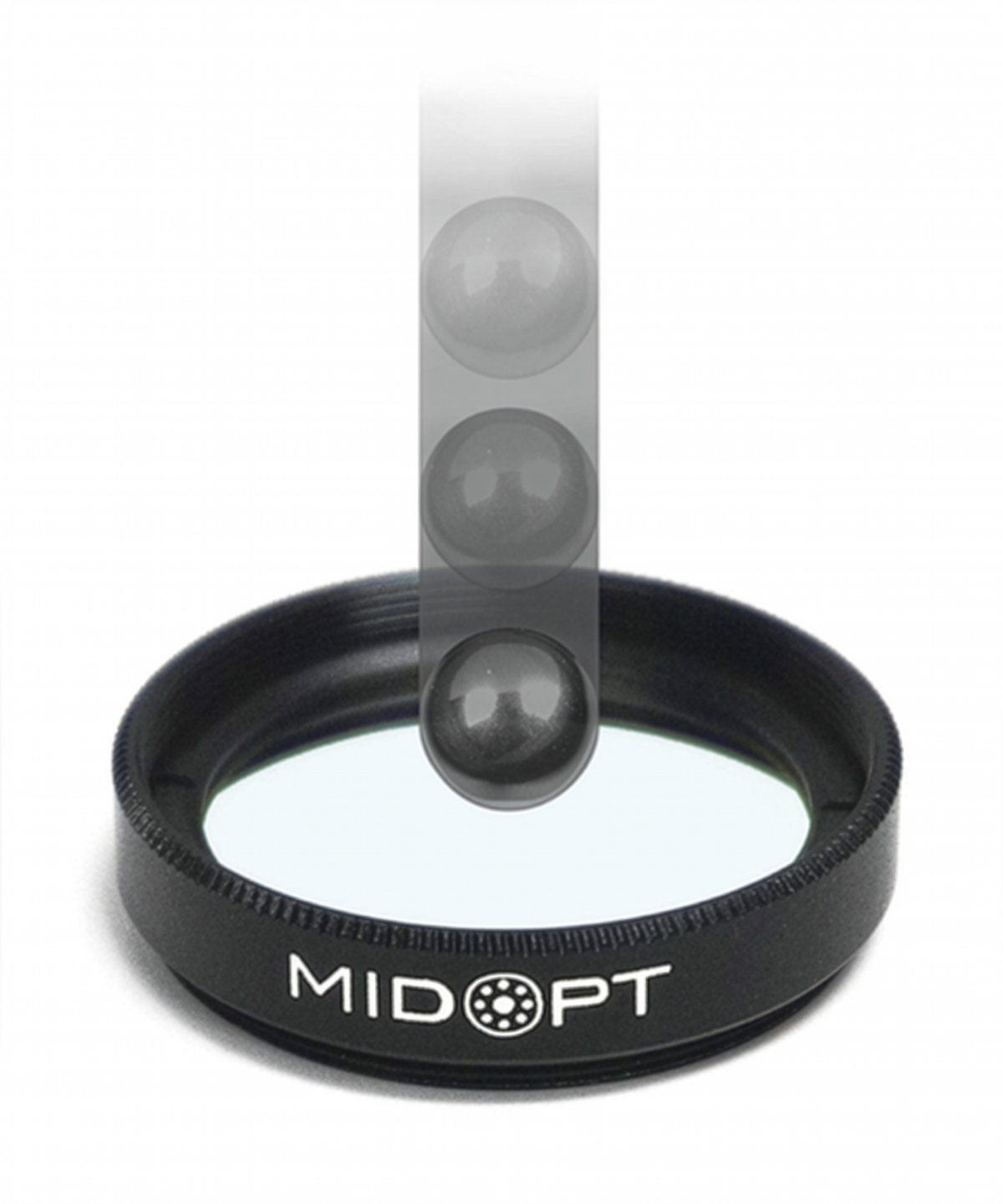
Giznik: Silwir windows are rated safe up to approximately 200 °C/392 °F and meet MIL-F-48616 and MIL-C-48497C standards for optical durability. They feature a 1150 Knoop hardness rating, making them resistant to wear and cracking. In internal drop-ball testing using a 63 g stainless steel ball, silicon (Silwir) withstood the drop up to 1800 mm/71 in, and germanium withstood the drop up to 500 mm/20 in, while chalcogenide glass failed at just 100 mm/4 in – highlighting silicon’s toughness and suitability for demanding environments.
inspect: For which applications are Silwir filters particularly suitable?
Giznik: Silwir Protective Windows are designed for thermal imaging systems where durability, thermal stability and optical clarity are essential. They’re particularly well-suited for use in industrial inspection, defense and surveillance, autonomous vehicle sensing and environmental monitoring systems. These applications often expose optics to dust, impact and high heat, where silicon’s combination of strength and consistent LWIR transmission provides a clear advantage.
inspect: How are your customers responding to the introduction of Silwir as an alternative to germanium?
Giznik: Customer response has been very positive – especially from those seeking a more economical and durable option without compromising image quality. Many appreciate that Silwir maintains high LWIR transmission and mechanical stability while significantly reducing material cost and lead time compared to germanium. Customers have seen it as a reliable, scalable solution for a wide variety of applications.
inspect: What developments are you planning next in the field of filter technology?
Giznik: We’re continuing to explore coating innovations and new material pairings that enhance transmission, minimize reflection and expand durability across broader wavelength ranges. Our long-term goal is to provide even more application-specific solutions that optimize performance across the visible (VIS), near-infrared (NIR), short-wave infrared (SWIR), mid-wave infrared (MWIR), long-wave infrared (LWIR) and infrared (IR) spectrums.