Thermal and Visual Image Synchronized
Efficient Analysis Through Combined Image Data
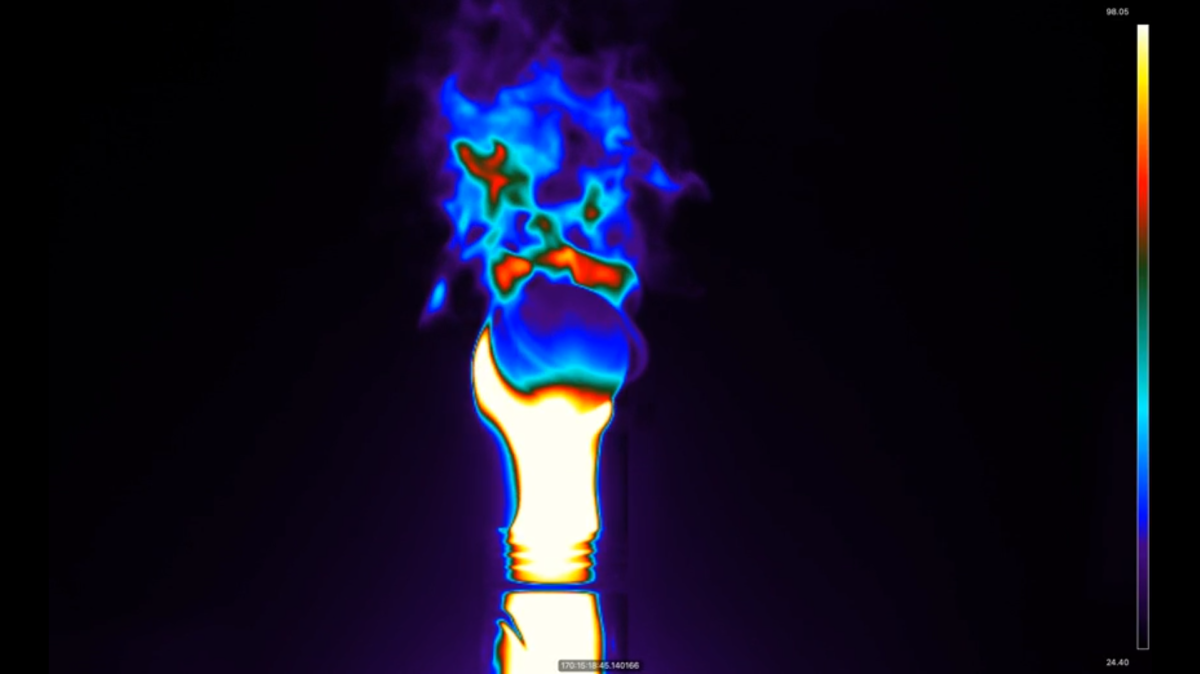
The parallel use of visible light and thermal imaging technology has traditionally been associated with high technical effort of organizing. A new system enables the synchronous capture of both image types in a single data set—without manual post-processing. This simplifies the analysis of dynamic processes in research and industry.
For decades, researchers and engineers have faced a frustrating dilemma: choosing between visible-light or thermal imaging during testing. Each brings unique value; visible light captures structural detail and context, while thermal imaging reveals heat signatures and dynamic thermal patterns. But using both simultaneously? That’s where things have traditionally fallen apart.
The challenge lies in the technical dance of precise spatial alignment and time synchronization of the two data streams. Historically, this has meant painstaking manual processes that often result in inconsistencies, delays, and more questions than answers. The promise of combining the strengths of both imaging types has remained just out of reach—until now.
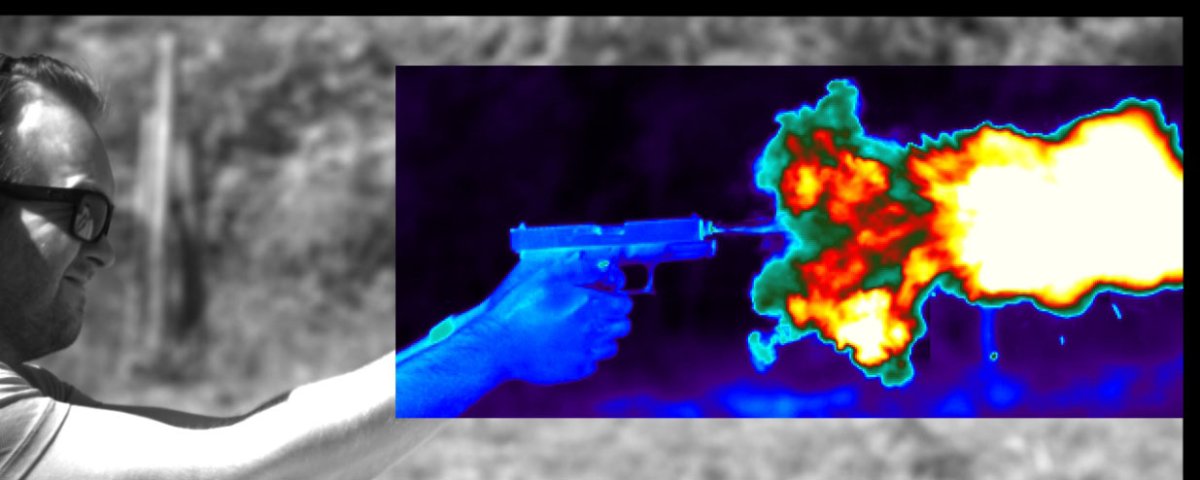
The Flir Multispectral Imaging Xperience (MIX) is effortlessly fusing high-quality thermal and visual imagery into a single, synchronized dataset. This eliminates the historical trade-off between capturing heat signatures and revealing structural details by integrating dual-sensor technology into one seamless package. The result is a streamlined, real-time solution that removes the burden of manual alignment and post-processing, ensuring that every captured frame reflects both precise thermal nuances and vivid visible context. In doing so, effortless fusing of high quality thermal and visual imagery not only raises the standard for data interpretation but also paves the way for accelerated discoveries across a multitude of research and industrial domains.
At the heart of Flir MIX is an integrated imaging architecture capable of recording events at speeds up to 1,004 frames per second. This high-speed performance is critical for capturing transient thermal events—from dynamic material stress testing and rapid chemical reactions to high-speed ballistics and airbag deployment analysis—without sacrificing spatial accuracy. The simultaneous capture of thermal and visible data allows researchers to unlock deeper insights into processes that evolve quickly over time, thereby reducing analysis time and enhancing the precision of quantitative measurements.
Tailored for High-speed Research Environments
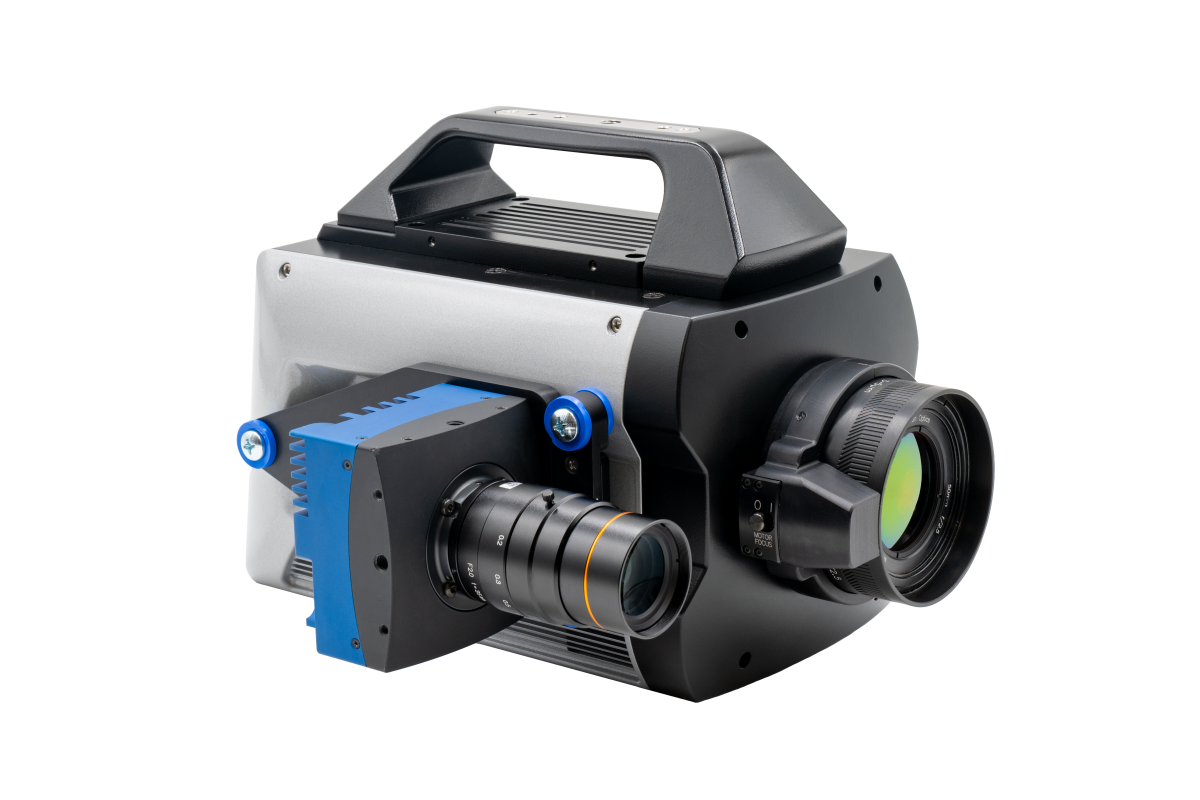
The system is designed to address a broad spectrum of advanced applications through differentiated kit configurations. The X-Series Starter Kit, for example, is tailored for high-speed research environments, combining Flir X69xx thermal cameras with high-speed visible cameras, precision optics, and custom mounting hardware to support demanding applications such as aerospace testing and industrial diagnostics. Meanwhile, the A-Series Starter Kit offers a versatile solution for sectors like electronics design, renewable energy, and battery testing, where integration with Flir A67xx thermal cameras ensures the capture of both robust thermal data and fine visual detail. For researchers seeking post-processing flexibility, the Flir MIX Toolkit provides an add-on option that seamlessly synchronizes thermal and visual footage in real time, consolidating every frame into one comprehensive dataset.
Coupled with Flir Research Studio software, Flir MIX delivers an end-to-end solution that enhances user workflows from capture through analysis. This unified control platform automates the synchronization process, offering intuitive data management and real-time analysis capabilities that dramatically reduce the time between data acquisition and actionable insights. With its pixel-accurate overlays and time-matched imagery, the system enables researchers to focus on interpreting results and accelerating discovery without being hindered by the complexities of traditional imaging systems.
By converging high-speed thermal capture with high-resolution visible imaging, Flir MIX provides a complete picture of fast-moving thermal phenomena, and elevates the quality and reliability of multispectral data. This technology empowers scientists, engineers, and innovators to interrogate and understand intricate thermal environments with unprecedented clarity and speed. The comprehensive, real-time merged datasets facilitate a more nuanced understanding of dynamic processes, driving forward breakthroughs in fields as diverse as defense, materials science, and renewable energy research.
Conclusion
Flir MIX accelerates discovery by simplifying data integration and enhancing analytical precision, thereby enabling researchers to concentrate on scientific inquiry and innovation rather than on time-consuming post-capture data reconciliation. The system enables to understand complex phenomena and accelerates progress in scientific and industrial applications.