

SPS 2025: Cautious optimism in automation
A picture of the mood of the German economy
Timo Gimpel, Wiley-VCH

Things are still not looking good for the German economy. Despite an investment offensive and packages worth billions to expand the infrastructure, the economy in Germany is not gaining momentum.
Not least the automation industry is suffering from the problems of the weakening automotive industry. And yet SPS 2025 was exactly what Sylke Schulz-Metzner, Vice President SPS at Mesago Messe Frankfurt, described in her interview as an "encouraging signal".
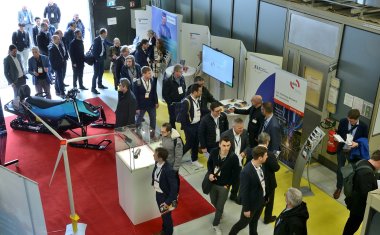
All the exhibitors the editorial team spoke to reported a positive trend in visitor numbers and high-quality leads. On the second day of the trade fair in particular, there was a lively rush of visitors, which at times brought traffic in the aisles between the stands to a standstill.
Continue with login
No account yet?
Register now for free and get full access to all exclusive articles from wileyindustrynews.com.
With our newsletter we regularly send you top news from Automation, image processing and light and laser technology in industrial environments, as well as the latest e-issue.
Company
WileyBoschstr
69469 Weinheim
Germany

most read
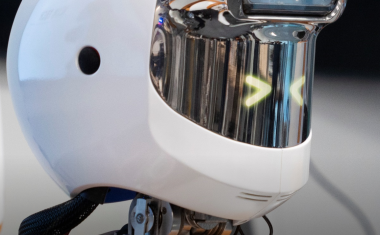
Powerful in operation, intelligent in collaboration
How Faulhaber Drive Systems Are Bringing Humanoid Robotics Closer to Everyday Use

From Gamescom to the Factory
How the Gaming Industry Is Driving Automation

Packaging Is Becoming a Strategic Task in Production
The new EU Packaging Regulation affects more than just packaging manufacturers. Production, logistics, and automation experts must also reassess their processes, materials, and equipment.
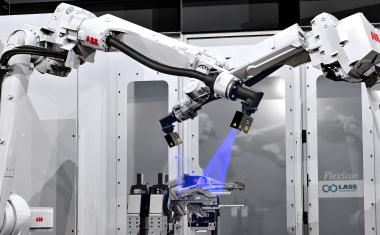
3D laser scanning for 100 percent inspection
Modern production requires precise, fast, and fully automated inspection processes. The robot-assisted inline measurement system Flexscan meets this requirement with two 3D compact sensors
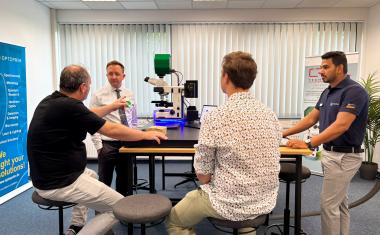
Microspectrophotometer in Practice
During a three-day Open House in Unterschleißheim near Munich, Optoprim Germany and Craic Technologies demonstrated integrated UV–visible–NIR and Raman microspectroscopy under real research conditions.