From Gamescom to the Factory
How the Gaming Industry Is Driving Automation
Andreas Grösslein mit Hilfe von KI
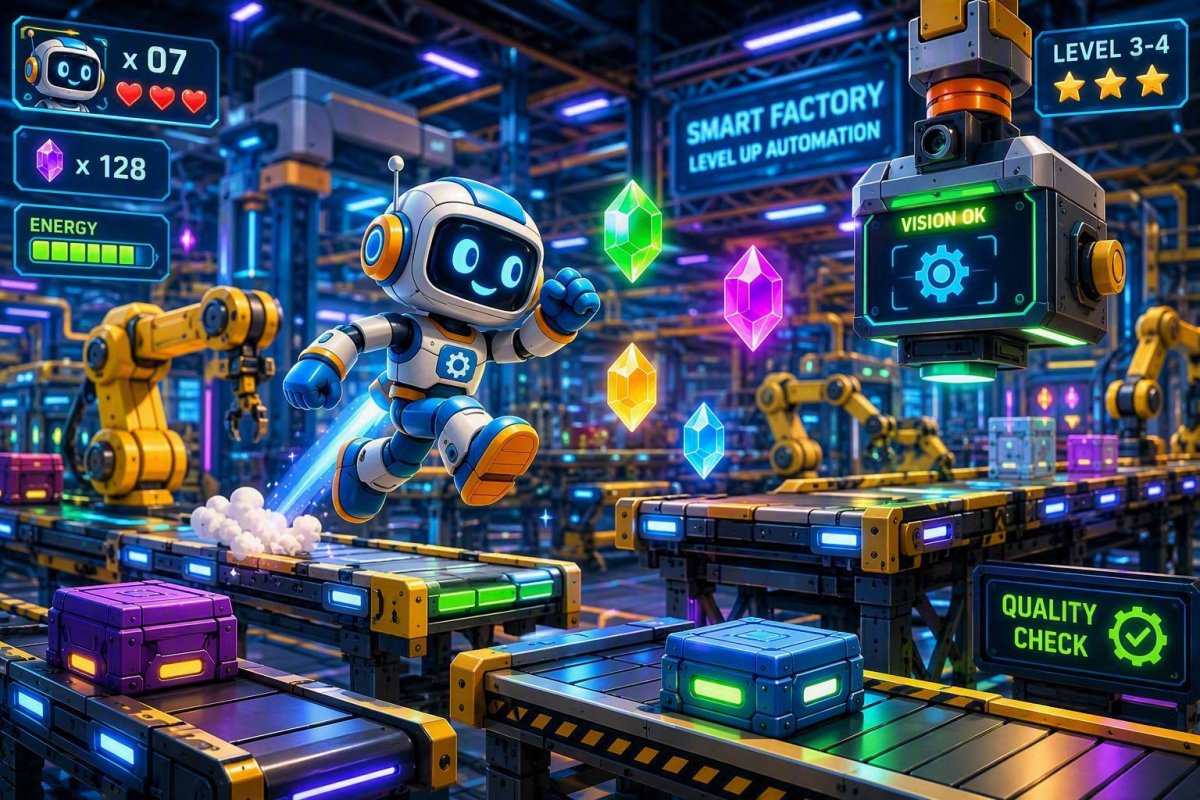
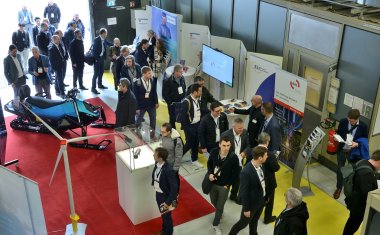
When Gamescom closed its doors at the end of August, the sounds of virtual worlds still echoed through the exhibition halls in Cologne. Amid spectacular game demos, photorealistic graphics, and AI-controlled characters, one thing became clear: the gaming industry has long since moved beyond simply providing entertainment. Many of the technologies that thrill millions of gamers are finding their way directly into factories, warehouses, and production lines. This year’s Gamescom focused in particular on artificial intelligence, real-time graphics, digital twins, and high-performance hardware platforms. It is precisely these developments that are shaping the future of factory automation today.
Anyone walking through the halls of the trade show saw an industry in transition. Hardware manufacturers presented new GPU architectures, while software providers demonstrated AI-powered development tools and autonomous agent systems. Companies like Nvidia and Tencent showcased technologies that make virtual worlds more realistic, automatically generate content, or enable digital characters to act independently.
What may seem like pure entertainment at first glance, however, has striking parallels to the industrial sector.
The Graphics Card Becomes an Industrial Computer
For a long time, high-end graphics cards were considered purely gaming hardware. Today, they form the heart of numerous AI applications in manufacturing. The powerful GPUs, which were originally developed to render complex 3D worlds in real time, now accelerate image processing systems, robotics applications, and industrial AI models.
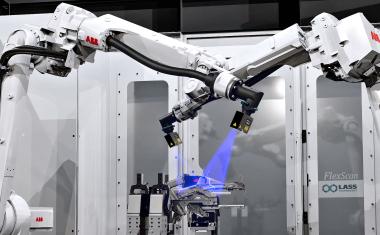
Users benefit from this development particularly in industrial image processing. Modern cameras generate enormous amounts of data that must be analyzed in fractions of a second. The same parallel computing methods that calculate millions of light rays for ray tracing in games now enable the analysis of high-resolution camera images, 3D point clouds, or AI-based quality inspections. Edge AI platforms for robotics and machine vision are also increasingly based on hardware that originated in the gaming sector.
Digital Twins Instead of Virtual Game Worlds
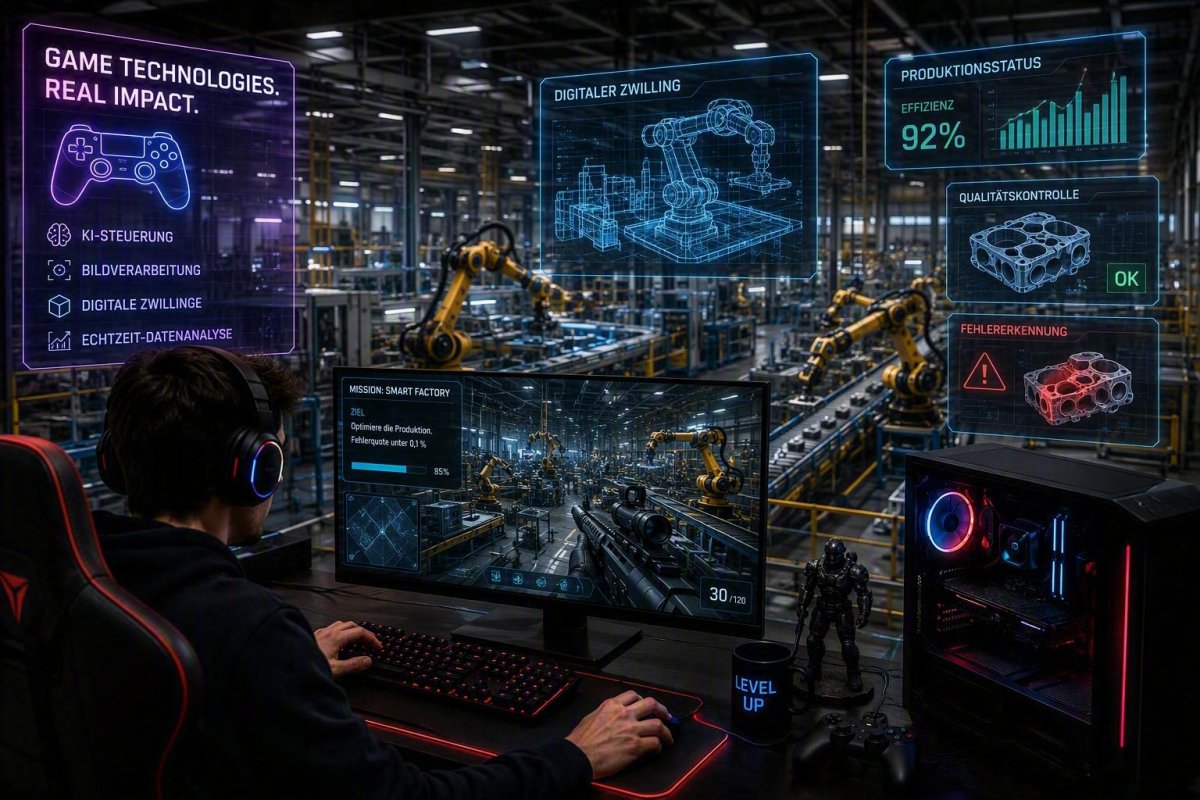
One of the most striking similarities between games and automation is the use of virtual worlds. In computer games, complex environments must be simulated realistically. Physics engines calculate collisions, movements, and material properties in real time.
It is precisely these technologies that are used today for digital twins. Before a production facility is built, a virtual replica is often created first. Robot movements, material flows, and workflows can be simulated and optimized within it. What once helped game developers create believable worlds now enables virtual commissioning and reduces risks in plant construction. Such applications are becoming increasingly important in Industry 4.0 projects.
AI Agents Are Becoming Autonomous Robots
At Gamescom, it became clear just how heavily the gaming industry now relies on AI agents. It’s not just the dialogues of virtual characters that are becoming more intelligent. New systems can make decisions, assess situations, and act independently.
Factory automation is pursuing a similar goal. Mobile robots, automated guided vehicles, and collaborative robots must perceive their environment, make decisions, and react flexibly to changes. The AI models required for this are increasingly being developed using the same methods as modern game AI.
Particularly exciting is the trend toward training in virtual environments. Before a robot works in a real factory, it can learn in a simulation. There, it gains experience without damaging machines or jeopardizing production processes. Even computer vision systems are already being trained in digital simulation environments today.
The Game Engine as an Image Processing Tool
Even the tools used by game developers are finding their way into industry. Powerful 3D engines enable photorealistic visualizations and serve as the basis for simulations of industrial processes. At the same time, machine vision applications benefit from advances in real-time graphics, rendering, and sensor simulation.
Such virtual test environments are particularly valuable for robotics and industrial image processing. Camera systems can be trained using artificially generated image data long before real data becomes available. This helps shorten development times and improve AI models more quickly.
The Lines Are Blurring
This year’s Gamescom demonstrated once again that there is no longer a clear dividing line between gaming and industry. The gaming industry is developing technologies under enormous pressure to innovate: more powerful hardware, better simulations, smarter AI systems, and new forms of human-machine interaction.
Factory automation benefits directly from these advances. GPUs are becoming industrial computers, game worlds are turning into digital twins, and virtual NPCs are serving as models for autonomous robots. For industrial image processing, new opportunities are emerging to solve complex inspection tasks faster, more flexibly, and more intelligently.