

A depaneling process for insulated metal substrates with metal cores
LPKF has developed a special solution for depaneling and IMS processing that involves cutting of the printed circuit boards by a powerful laser. The laser brings with it several advantages and is thus more than just an economically attractive alternative to mechanical depaneling processes.
With this solution, printed circuit boards with aluminum, copper, or stainless steel metal cores are cut and depaneled in a specially developed LPKF laser process. The laser source works with process parameters that have been optimized for the specific application. Due to the noncontact nature of the process, no mechanical stresses are induced in the material. The board and the components retain their stability and quality because the material in the vicinity of the cut is minimally affected by the process.
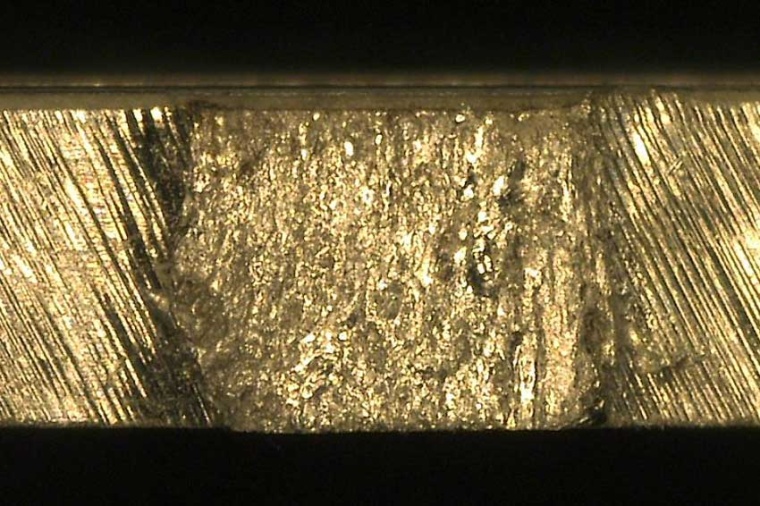
Due to the sensitive applications in which the technically challenging IMS circuit boards are used, the demands on the cutting quality are high. The laser impresses here, too: deposition of metal chips on the material is precluded by the process. It can, however, occur with milling and other mechanical machining methods and can trigger short circuits. Thanks to the LPKF laser technology, this danger is avoided. The reliability of the laser-cut printed circuit boards is just as high as before the cutting process.
Due to the high volumes used in the respective printed circuit board applications, the process speed is an important factor in production. To take this into account, the laser systems from LPKF allow very high effective cutting speeds, which vary depending on the desired cut quality as well as the printed circuit board material thickness and material composition.
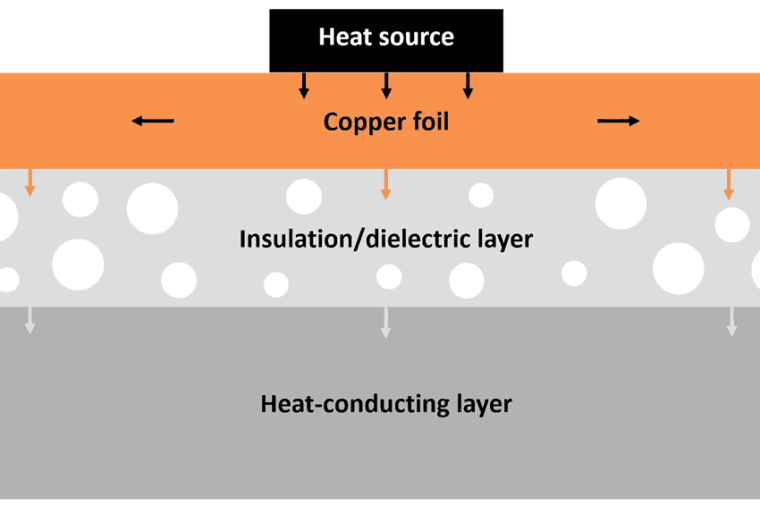
Insulated metal substrates, also known as metal core printed circuit boards, can be found in a multitude of applications with strict heat dissipation requirements. Foremost among them are power electronics applications. Measuring transducers, transistor arrays, and motor drivers can all be equipped with IMS. Other important applications can be found in the automotive/transport sector, where those substrates are used in headlights/lights, GPS, and power modules. IMS are also indispensable in today’s communications and consumer electronics, for example, in power amplifiers, transmitters, microstrip circuits, motor and voltage regulators, amplifiers, and equalizers. Compared with conventional printed circuit boards – made of FR4, for example – insulated metal substrates offer a range of advantages for the above-mentioned applications: high thermal conductivity, savings resulting from the reduction in material thickness and the lowered need for heat sinks, and a reduced operating temperature.
Now that LPKF laser technology has made a reliable and fast cutting process available for these IMS circuit boards, the range of applications for them will be extended even further.
Company
LPKF Laser & Electronics AGOsteriede 7
30827 Garbsen
Germany

most read

ZVEI Calls for Swift Protection of Critical Power Infrastructure
The association has issued a statement in response to the recent attempted attacks on substations in Brandenburg and North Rhine-Westphalia and warns of the consequences for Germany's energy security.
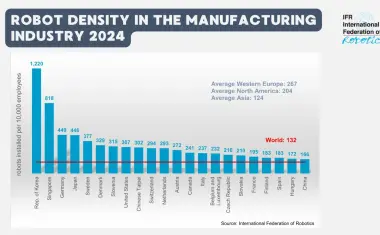
Global robot density: Western Europe leads ahead of North America and Asia
In the EU-27, the robot density is 231, which is above the global average of 132.

Schaeffler bundles Defense and New Space activities under new CEO
Celia Pelaz takes over the position of CEO Defence & New Space at Schaeffler on October 1, 2026 and becomes Chairwoman of the Management Board of Stech Defence GmbH.
Laser 2000 and Büchner Lichtsysteme cooperate
Through this cooperation, Laser 2000 is expanding its portfolio in the areas of machine vision, metrology and smart sensor technologies.

ABB Machine Automation (B&R) Appoints Christian Strahberger as New Division President
He succeeds Florian Schneeberger, who died in a tragic accident in April.