

GTM is experiencing dynamic growth in 2024
Successful major orders, new distributors and efficient processes ensure GTM's success in a challenging market environment
2024 was a dynamic year for GTM, with significant growth in new orders and business successes. Strategic decisions proved to be correct and led to good results. Despite the tense economic situation in Germany and internationally, GTM was able to achieve double-digit growth in new orders. Particularly noteworthy are two major orders worth 5.3 million euros and 2.8 million euros. GTM also won new distributors in Turkey and India.
By switching to lean production and new internal processes, supported by the Center for Industrial Productivity at the Technical University of Darmstadt, GTM increased efficiency and productivity. A modern CRM system from Salesforce will soon be introduced. The reorganization of the product architecture is bearing fruit, as confirmed by winning the ZwickRoell Operational Excellence Award 2024.
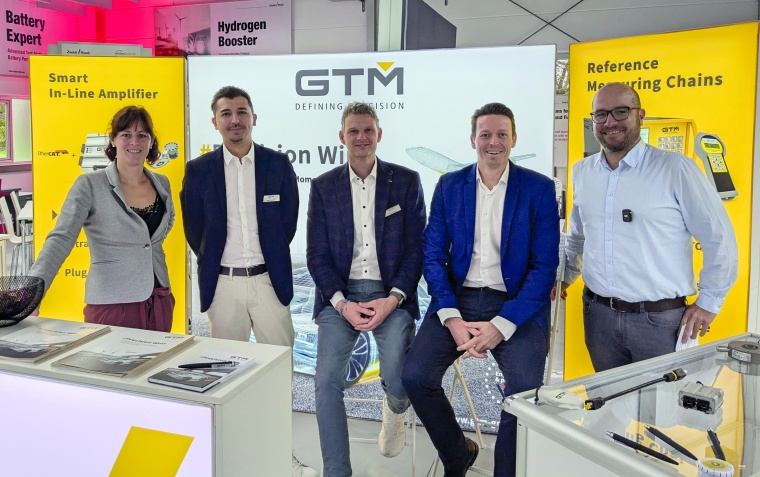
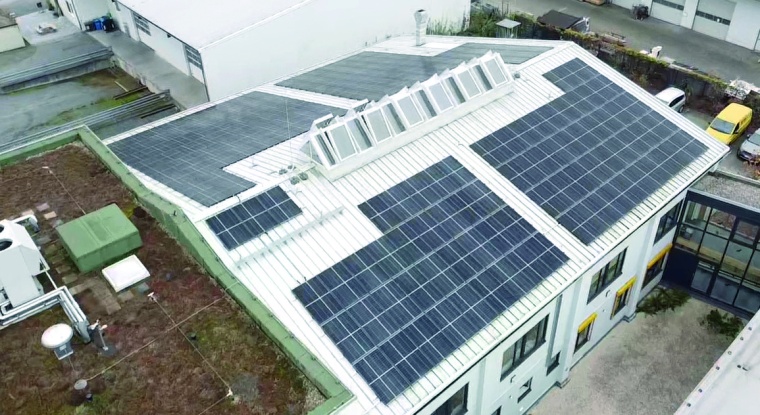
GTM successfully presented its products at trade fairs such as SENSOR+TEST and IMEKO. A new photovoltaic system supplied over 66,000 kWh of renewable energy for its own needs. In 2025, GTM plans to invest in infrastructure, including new storage space and microscopes. Despite global economic challenges, GTM is looking positively to the future.



most read
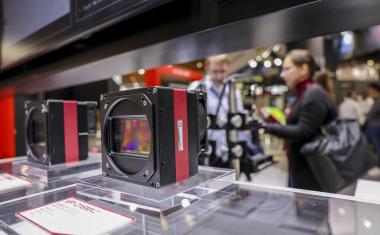
Vision 2026 Breaks Exhibitor Record
About 500 exhibiting companies—about two-thirds of which are from abroad and about 30 percent of which are first-time exhibitors—are showcasing their products at the trade show.

European machine vision expects slight recovery and growth in 2026
According to the VDMA Machine Vision department, sales are expected to increase by around 3%, following a decline of 2% in 2025.
Solid-State Transformers for AI Data Centers
As part of a strategic partnership, Siemens and Reinhausen are developing a solid-state transformer for AI data centers with an 800-volt DC system.
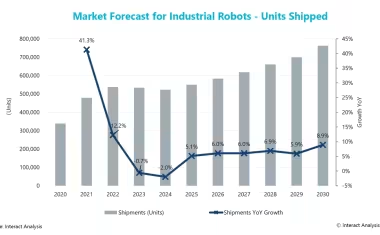
Forecast: Significant Growth in Industrial Robotics by 2030; Cobots Are Growing the Fastest
According to a recent analysis by Interact Analysis, global sales of industrial robots are expected to rise from about 550,000 units in 2025 to just over 760,000 units in 2030.

IMTS 2026: America's Manufacturing Sector Focuses on Growth and Technology
The largest manufacturing trade show in the Western Hemisphere is bringing together 1,788 exhibitors this year, including about 400 companies participating for the first time.